
Hospitality and Leisure
[seopress_breadcrumbs]
Our Latest Health and Wellbeing Projects
Hospitality & Leisure - Project Showcase
Bespoke venues where storytelling, compliance, and guest experience meet.
Hospitality & Leisure Fit Outs
A hospitality venue is a high-risk investment: tight timeframes, complex compliance, and the pressure to create a destination that photographs beautifully and runs flawlessly at peak trade. When the concept is strong but the buildability is weak, projects may drift into redesigns, costly variations, or operational compromises that impact service and revenue.
Leithal Designs delivers hospitality fit outs that balance commercial interior architecture, bespoke brand storytelling, and real-world operational flow—from customer journey and acoustics to back-of-house efficiency and build-ready documentation. The approach is structured, evidence-led, and designed to reduce surprises before construction begins.
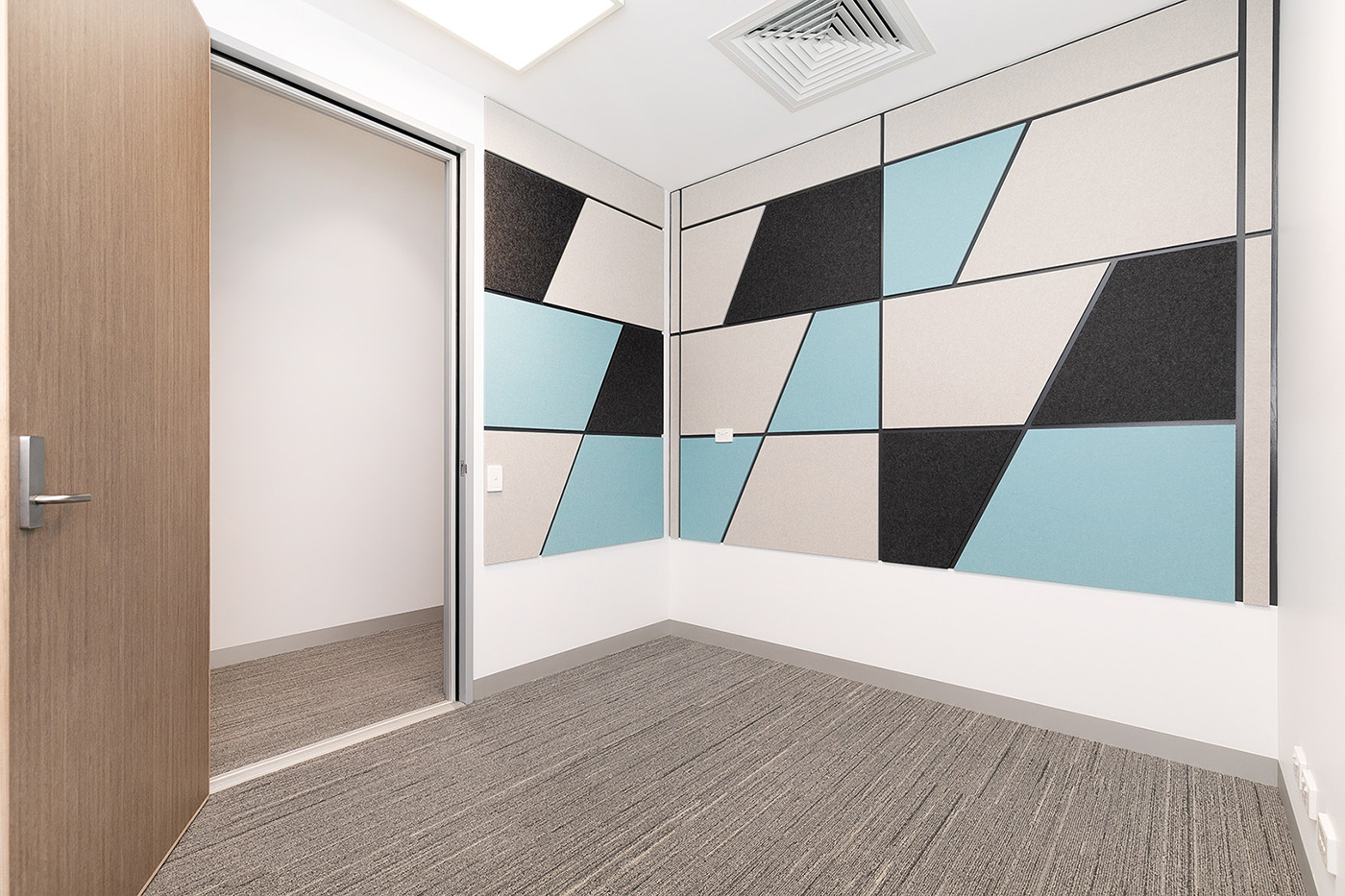

Built for the way hospitality actually operates
“Instagrammable” is not a strategy on its own. Great venues earn repeat trade because guests feel something—and staff can deliver quickly, consistently, and safely.
Hospitality fit outs through Leithal Designs focus on spatial performance, including:
- Guest arrival, wayfinding, and dwell-time zones (bar, lounge, dining, private areas)
- Back-of-house logic (kitchen workflows, wash-up, storage, deliveries, waste streams)
- Acoustic comfort and lighting hierarchy for mood and functionality
- Durability and maintainability in high-traffic touchpoints
- Buildability: details that translate cleanly from design intent to construction reality
Typical project types include: breweries and tasting rooms, restaurants, bars, cafés, cellar doors, distilleries, entertainment venues, and destination-style leisure concepts (70m² to 1,000m²+).
What’s included in a Leithal hospitality fit out
This service is designed for founders, developers, and operators who want clarity early—before signing the wrong lease, selecting finishes that fail under service conditions, or committing to a builder without comparable pricing.
Depending on the project stage, scope may include:
Research & feasibility support (including space suitability and risk mapping)
Concept design and brand-aligned spatial storytelling
Detailed 3D modelling/visualisation for stakeholder alignment
Technical documentation to support approvals and tendering
Coordination of a competitive tender process
Build guidance to protect design intent during construction
Key features that de-risk the investment
Structured 6-stage methodology that moves from brief to build guidance, reducing guesswork and late-stage changes.
Research-first feasibility to help avoid moving into design without the right information—often where projects start drifting over time and budget.
Operational intelligence: layouts shaped around service speed, staff movement, and compliance realities—not just surface-level aesthetics.
Three-Builder tendering approach to support accurate market pricing and clearer scope comparisons before construction commitment.
Compliance-aware documentation aligned to applicable building and food-premises requirements (as relevant to the venue type and council pathway).
Sustainability as standard (e.g., low-VOC selections and energy-conscious lighting) to support long-term asset value and healthier indoor environments.
The Leithal 6-stage roadmap (what to expect)
Research & Feasibility Support: Space Suitability & Risk Mapping
A clear definition of success: brand position, target customer, capacity goals, menu/service style, and the operational realities (staffing, peak periods, delivery frequency, storage needs).
2) Research & Analysis
Feasibility work that may include site assessment, constraints review, and early risk identification. This is where budget blowouts are often prevented—by surfacing issues before they become variations.
3) Concept Design
Spatial storytelling with intent: zoning, mood, material direction, and guest journey—paired with operational flow so the venue performs under pressure.
4) Technical Documentation
Build-ready detail: drawings and specifications developed to support approvals and tender pricing, reducing ambiguity for builders and trades.
5) Tender Management
A structured tender process (including the three-builder system) to create comparable pricing and clearer scope alignment before selection.
6) Build Guidance
Design continuity through construction: clarifications, material intent protection, and practical guidance to help the final outcome reflect the approved design.
If you’re weighing up a lease, a conversion, or a re-fit, book a Needs & Options Review to identify feasibility risks early.
Compliance, approvals, and “buildability” without the overwhelm
Hospitality fit outs often intersect with multiple approvals and standards—building code considerations, accessibility, fire safety, food-premises requirements, and sometimes liquor licensing factors depending on the venue and operating model. The National Construction Code is the baseline for building work, while food premises often need to align with relevant health requirements and fit-out standards.
The goal here is not to bury owners in documentation—it’s to integrate compliance thinking into design decisions early, so the concept remains intact while approvals and build stages move more smoothly.
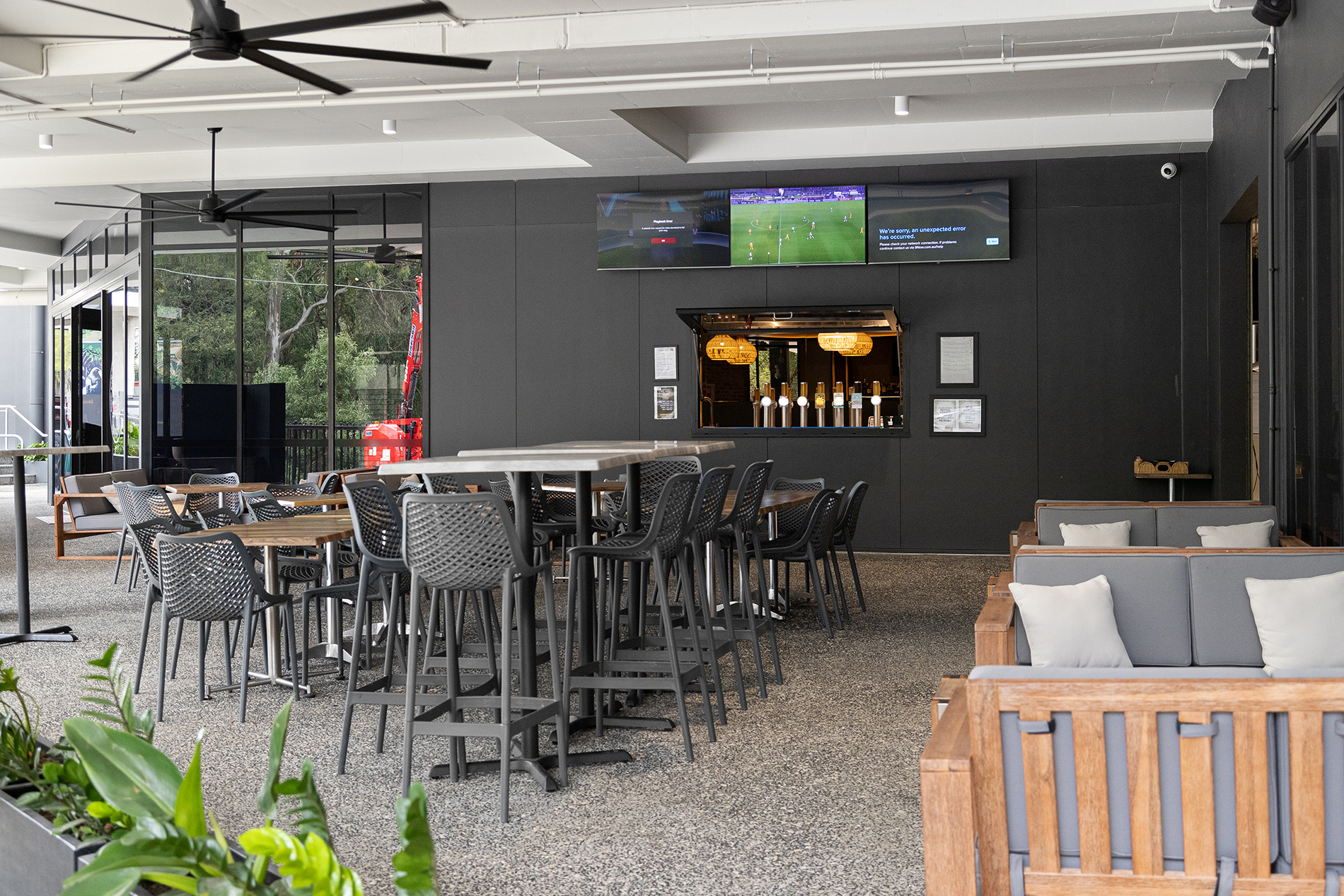
Advanced visualisation for stakeholder confidence
When there are multiple decision-makers (partners, boards, investors, landlords), detailed 3D modelling helps stakeholders “walk through” the venue and resolve uncertainty before construction spend escalates.
This is especially valuable for:
- sightlines (bar visibility, entry moments, feature walls)
- lighting and material mood
- seating density vs comfort
- flow conflicts between service and guest movement
Why Leithal Designs for hospitality fit outs
Designed for high-stakes commercial environments. Hospitality is unforgiving: small layout errors become daily friction. Leithal brings a commercial lens to spatial design—where aesthetics and operations are treated as inseparable.
QBCC-licensed expertise and professional risk management. Work is guided by formal capability and a documented methodology that supports better decision-making throughout the project lifecycle.
A process built to reduce variations. The research-first phase and tender discipline are intentionally set up to reduce late changes that may impact budget and programme.
Competitive tendering support. The three-builder system helps owners compare pricing more meaningfully, rather than selecting a builder off incomplete or inconsistent scope.
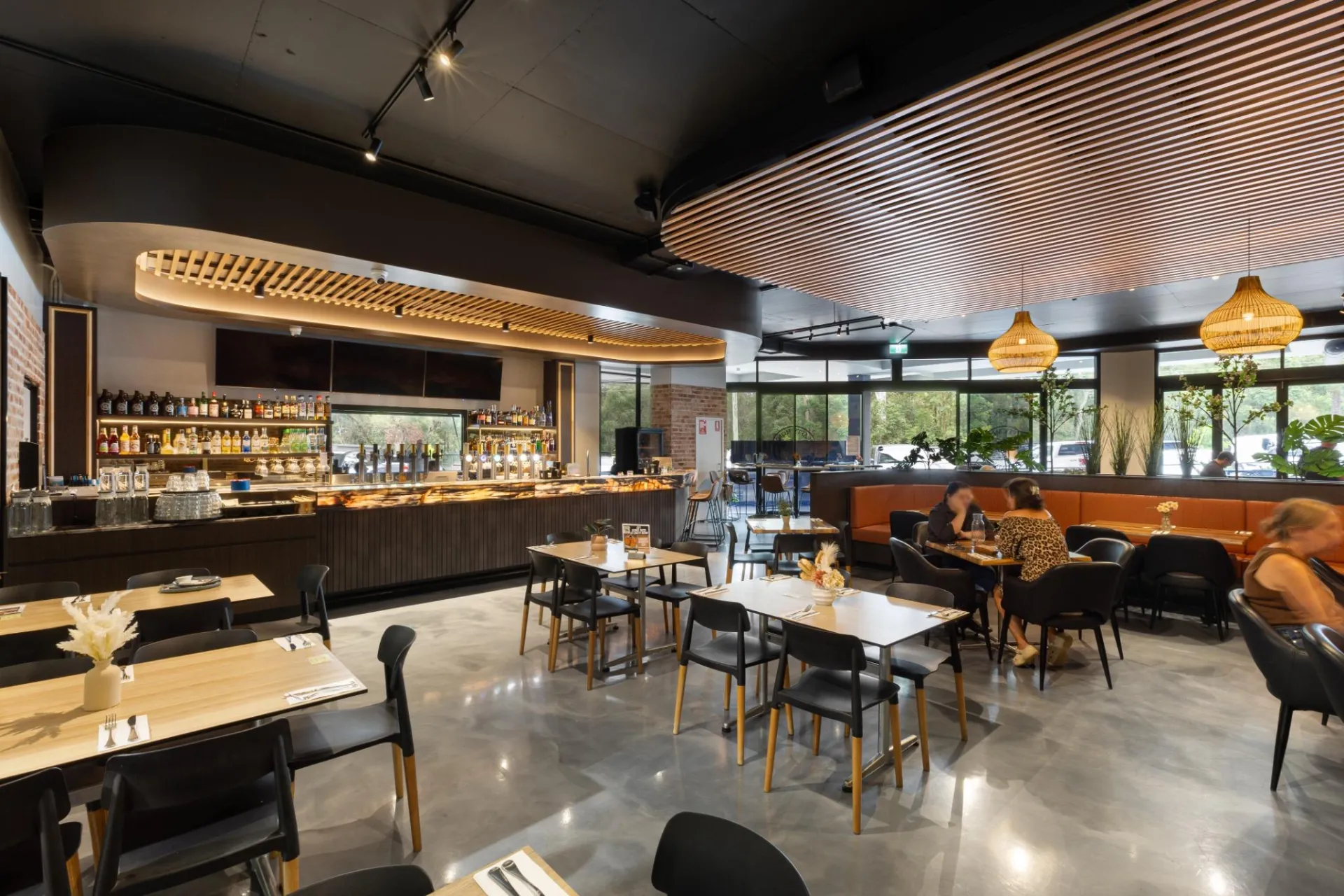
Experience highlights
Crafty Monk Brewery (approx. 475m²)
Hospitality planning for customer experience plus practical back-of-house flow, with competitive pricing.
Experience highlights
Husk Distillery (approx. 1500m²)
Destination-led with stakeholder-friendly visualisation and buildability focus.
Experience highlights
Cafe Two 14
(approx. 125m optimisation where every square metre needed to work hard (guest flow, service speed, and ambience)

Frequently Asked Questions
How early should a hospitality designer be engaged?
Ideally before finalising a lease or committing to majo
Planning Pack – Leithal Designs…
Early feasibility work may highlight constraints that affect layout, approvals, and budget priorities.
Planning Pack – Leithal Designs…
What’s the difference between “concept design” and “technical documentation”?
Concept design sets the vision, mood, and spatial strategy. Technical documentation translates drawings/specifications that builders price and construct from, reducing ambiguity and late changes.
How does the three-builder tender process help?
It creates a clearer “apples with apples” comparison. Builder pricing is more likely to reflect the same assumptions, supporting better commercial decisions.
What compliance items typically affect hospitality fit outs?
Common considerations may include building code requirements, accessibility, fire safety, and food-premises fit-out requirements—plus liquor licensing-related factors for some venues. Exact needs vary by venue type and approval pathway.
Do you work only in Brisbane and the Gold Coast?
The earlier, the better. Ideally, you engage us during:
Leithal Designs services South-East Queensland (including the Gold Coast) and may also support projects across Australia, depending on scope and project requirements.
Ready to scope your venue with confidence?
If you’re planning a new venue, conversion, or re-fit and want clarity on feasibility, compliance implications, and next steps, a Needs & Options Review is the fastest way to reduce uncertainty and make smart early decisions.