
Medical Fitout Brisbane & Gold Coast — Healthcare Design by Leithal Designs
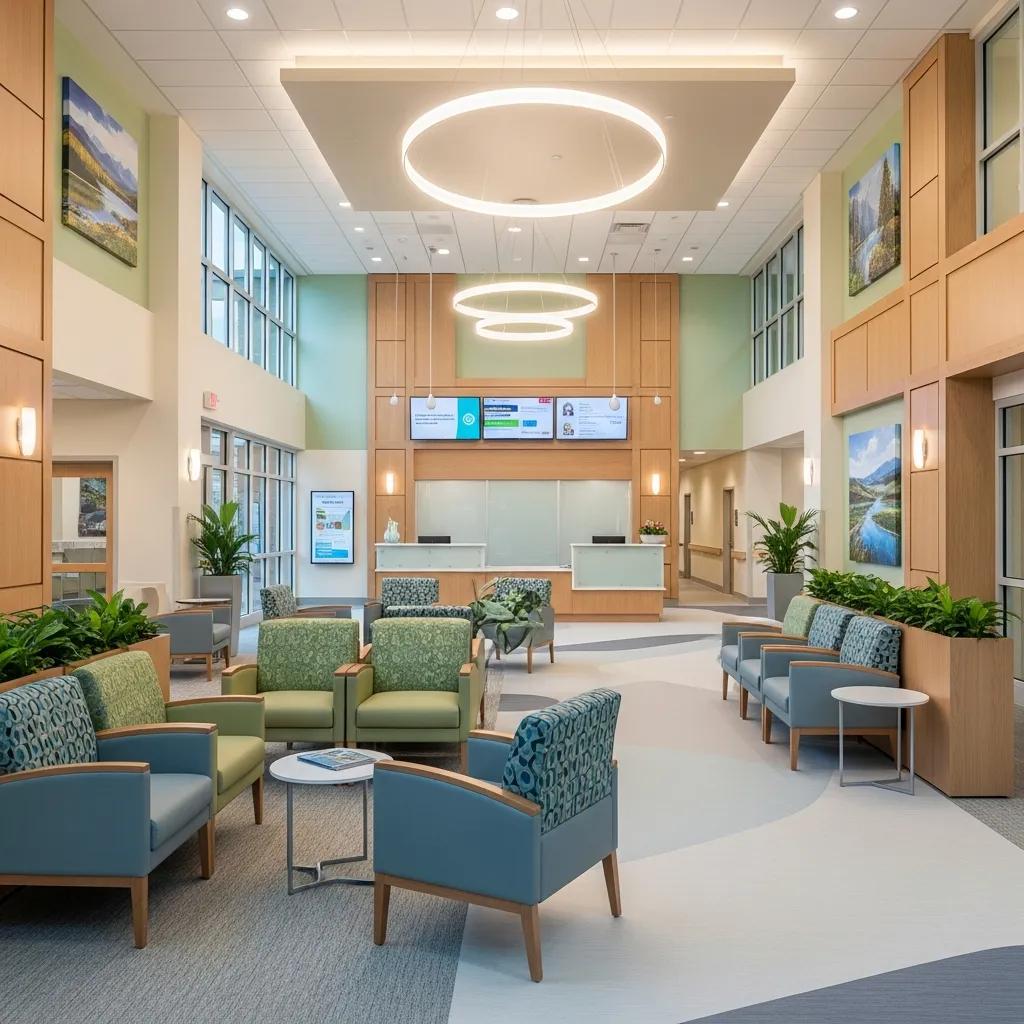
Medical Fitout Brisbane & Gold Coast: Expert Healthcare Design Solutions by Leithal Designs
Creating a functional and aesthetically pleasing healthcare environment is essential for both patient satisfaction and operational efficiency. Medical fitouts in Brisbane and the Gold Coast require a specialized approach that combines design principles with compliance standards. This article explores the key aspects of medical fitouts, including design principles, project examples, and the benefits clients can expect from working with experts like Leithal Designs. By understanding the intricacies of healthcare design, stakeholders can ensure that their facilities not only meet regulatory requirements but also enhance the patient experience. We will delve into the essential features of medical centre design, the impact of interior design on patient experience, and the strategies that optimize clinic workflow.
Design Principles
Design principles in healthcare settings are crucial for creating spaces that promote healing and efficiency. Leithal Designs follows several key principles to ensure that medical fitouts are both functional and compliant.
- Patient-Centered Approach: This principle emphasizes the importance of designing spaces that prioritize patient comfort and accessibility. By considering the needs of patients, healthcare providers can create environments that foster healing and well-being.
- Functionality and Compliance: Ensuring that the design meets all regulatory requirements is essential. This includes adhering to Australian healthcare standards, which dictate various aspects of facility design.
- Evidence-Based Design: Utilizing research to inform design choices can significantly enhance patient outcomes. Evidence-based design incorporates elements that have been shown to improve patient satisfaction and reduce stress.
- Aesthetic Integration: A well-designed healthcare facility should also be visually appealing. Integrating aesthetics into the design can create a welcoming atmosphere that positively impacts patient perceptions.
Project Examples
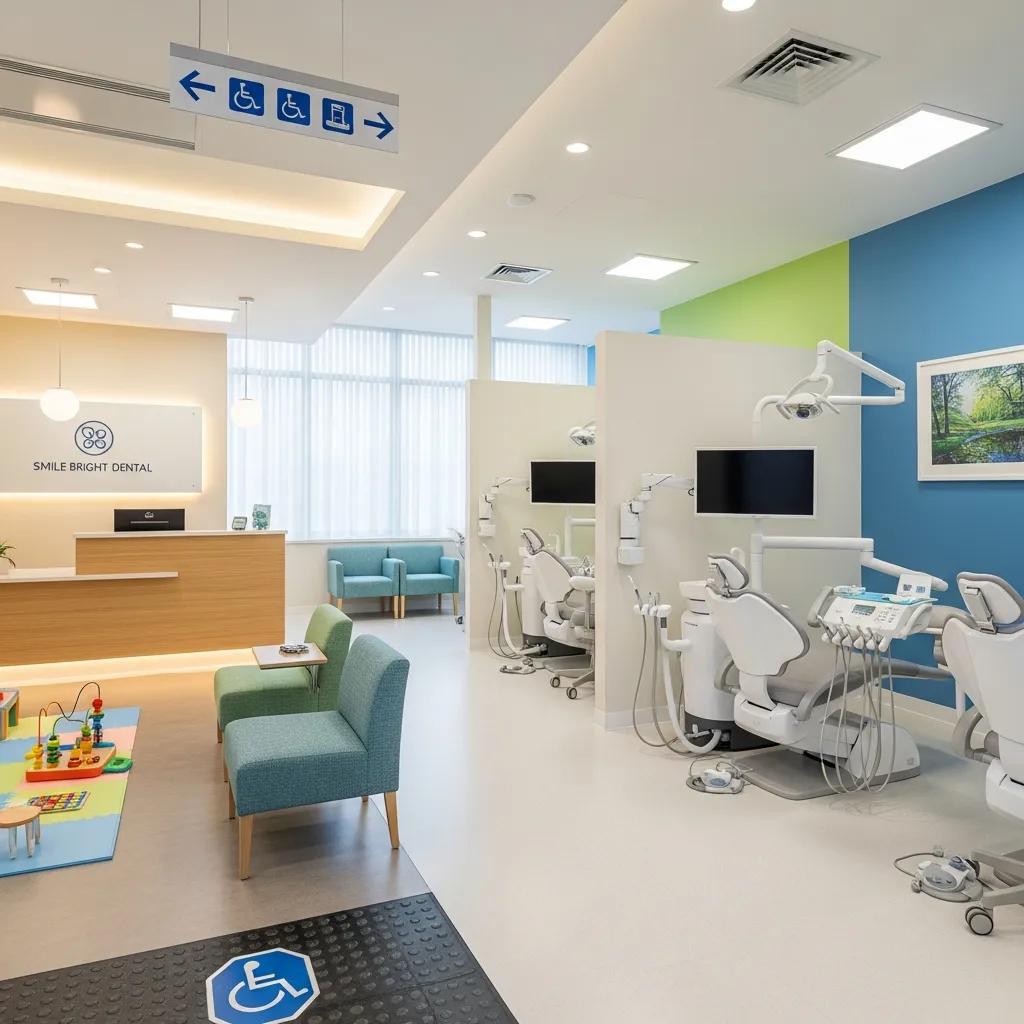
Leithal Designs has successfully completed numerous medical fitout projects that exemplify these design principles. Some notable examples include:
- Proud Smile Dental Clinic: A modern dental practice designed to enhance patient comfort and streamline operations.
- Ipswich Community Dental Clinic: Focused on accessibility and patient flow, this clinic serves a diverse community.
- Target Physio: A physiotherapy clinic designed with specialized treatment rooms that cater to various rehabilitation needs.
- Hearing Australia: This facility incorporates soundproofing and patient-centered design to improve the experience for hearing-impaired clients.
Benefits for Clients
Clients who choose Leithal Designs for their medical fitouts can expect a range of benefits that enhance both patient care and operational efficiency.
| Benefit | Description |
|---|---|
| Enhanced Patient Experience | Thoughtful design improves comfort and satisfaction. |
| Operational Efficiency | Streamlined workflows reduce wait times and improve service delivery. |
| Regulatory Compliance | Adherence to healthcare standards ensures safety and legality. |
| Durability and Maintenance | High-quality materials and design reduce long-term costs. |
| Personalized Service | Tailored solutions meet the unique needs of each client. |
These benefits highlight the value of investing in professional medical fitouts, ensuring that healthcare facilities can operate effectively while providing excellent patient care.
What Are the Key Features of Medical Centre Design in Gold Coast?
Medical centre design in the Gold Coast incorporates several key features that enhance functionality and patient experience.
- Layout Considerations: Effective layout planning ensures smooth patient flow and minimizes congestion in waiting areas.
- Patient Flow: Designing spaces that facilitate easy navigation for patients and staff is critical for operational efficiency.
- Compliance Standards: Adhering to local and national compliance standards is essential for safety and legal operation.
- Aesthetic Elements: Incorporating natural light and calming colors can significantly improve the atmosphere of healthcare facilities.
- Project Management & Coordination: Effective project management ensures that all aspects of the fitout are completed on time and within budget.
How Does Clinic Interior Design Enhance Patient Experience?
Interior design plays a pivotal role in shaping the patient experience within healthcare facilities.
- Functional Layouts: A well-planned layout allows for efficient movement and reduces stress for patients and staff alike.
- Patient-Centric Reception Areas: Creating welcoming reception areas can make a significant difference in first impressions and overall satisfaction.
- Specialized Treatment Rooms: Designing treatment rooms with specific functions in mind enhances both patient comfort and staff efficiency.
- Durable and Hygienic Materials: Using materials that are easy to clean and maintain is crucial in healthcare settings to ensure safety and hygiene.
- Compliance with Healthcare Standards: Ensuring that all design elements meet healthcare regulations is essential for patient safety.
Which Healthcare Space Planning Strategies Optimize Clinic Workflow?
Optimizing clinic workflow through effective space planning is essential for operational success.
- Patient-Centered Design: Focusing on the needs of patients can lead to more efficient use of space and resources.
- Efficient Layouts: Strategic placement of equipment and staff areas can minimize unnecessary movement and improve service delivery.
- Compliance with Regulations: Ensuring that all design elements comply with healthcare regulations is critical for safety and efficiency.
- Optimized Circulation: Designing pathways that facilitate easy movement for patients and staff can enhance overall clinic efficiency.
- Acoustic Considerations: Addressing noise levels through design can improve patient comfort and confidentiality.
How Does Healthcare Facility Fitout in Brisbane Meet Compliance Standards?
Healthcare facility fitouts in Brisbane must adhere to strict compliance standards to ensure safety and legality.
- Australian Healthcare Standards: These standards dictate various aspects of facility design, including accessibility and safety features.
- Infection Control and Hygiene: Design elements must facilitate effective infection control measures, such as easy-to-clean surfaces and proper ventilation.
- Accessibility Compliance: Ensuring that facilities are accessible to all patients, including those with disabilities, is a legal requirement.
What Are the Queensland-Specific Healthcare Compliance Requirements?
In Queensland, healthcare facilities must meet specific compliance requirements that address local regulations and standards. These include:
- Adhering to the Queensland Building and Construction Commission regulations.
- Ensuring that facilities meet the Disability Discrimination Act requirements for accessibility.
- Complying with local health department regulations regarding infection control and safety.
How Does Leithal Designs Ensure Regulatory Compliance in Medical Fitouts?
Leithal Designs employs a comprehensive approach to ensure regulatory compliance throughout the fitout process.
- Research Phase: Thorough research into local regulations and standards is conducted before design begins.
- Analysis Phase: Analyzing the specific needs of the facility helps tailor the design to meet compliance requirements.
- Design Phase: Incorporating compliance features into the design ensures that all aspects meet regulatory standards.
- Documentation Phase: Proper documentation is maintained to demonstrate compliance throughout the project.
- Tender Phase: Engaging qualified contractors who understand compliance requirements is crucial for successful implementation.
- Build Phase: Continuous oversight during construction ensures that all compliance measures are adhered to.
What Are the Project Management Essentials for Medical Office Fitout in Brisbane?
Effective project management is essential for successful medical office fitouts. Key essentials include:
- Research Phase: Understanding the specific needs and regulations of the project.
- Analysis Phase: Evaluating potential challenges and solutions before implementation.
- Design Phase: Creating a detailed design plan that incorporates all necessary elements.
- Drawings Phase: Producing accurate drawings that reflect the design intent and compliance requirements.
- Tender Phase: Selecting qualified contractors who can deliver the project on time and within budget.
- Build Phase: Overseeing construction to ensure adherence to the design and compliance standards.
How Is Timeline Planning Structured for Efficient Medical Fitouts?
Timeline planning is critical for ensuring that medical fitouts are completed efficiently.
- Overall Timeline: Establishing a clear timeline for the entire project helps manage expectations and resources.
- Phase Durations: Breaking the project into phases allows for better tracking of progress and timely adjustments.
Which Budgeting Factors Influence Medical Fitout Costs?
Several factors influence the costs associated with medical fitouts, including:
- Size and Complexity: Larger and more complex projects typically require more resources and time.
- Existing Base Build and Services: The condition of the existing structure can impact renovation costs.
- Level of Finish and Customization: Higher quality finishes and custom designs will increase overall costs.
- Specialist Compliance Requirements: Additional costs may arise from meeting specific compliance standards.
- Material and Labor Costs: Fluctuations in material and labor prices can significantly affect the budget.
How Is Sustainability Integrated into Healthcare Design for Gold Coast Clinics?
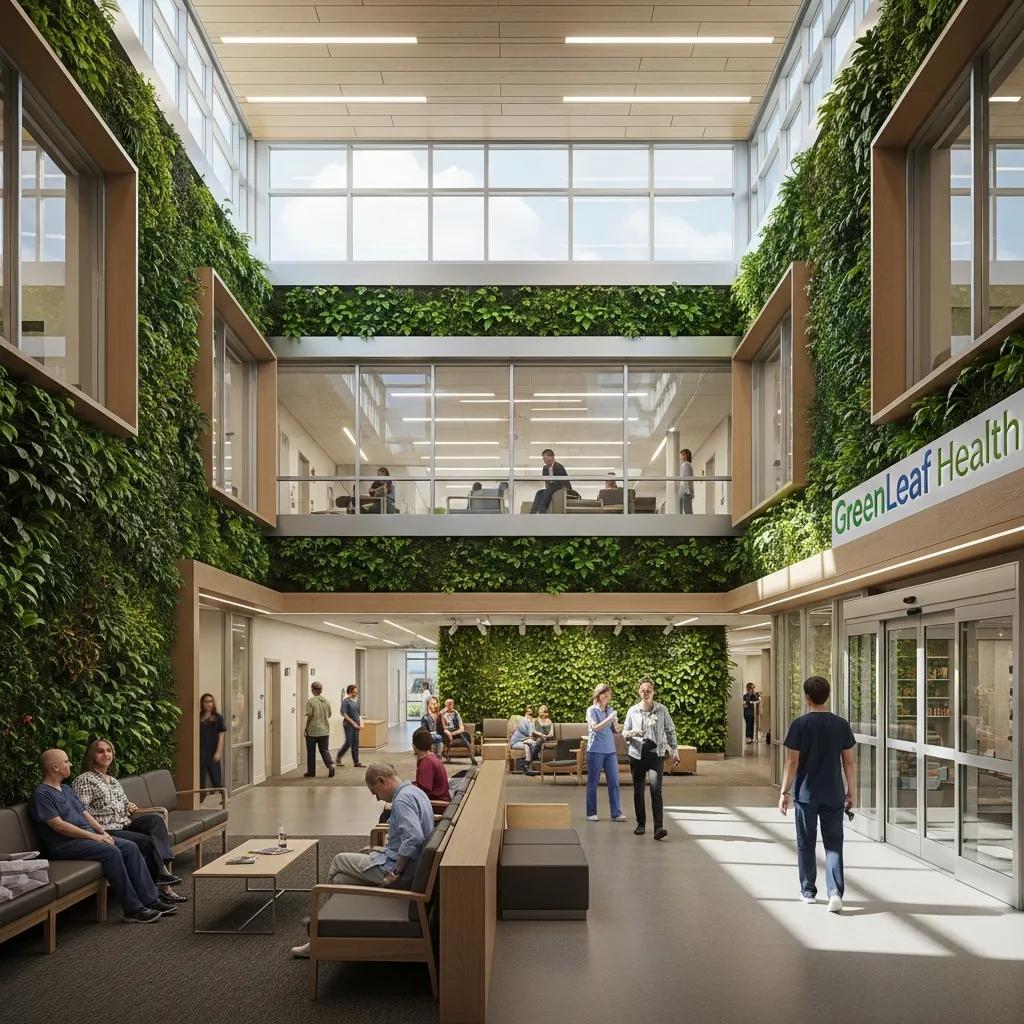
Sustainability is becoming increasingly important in healthcare design.
- Sustainable Materials: Using eco-friendly materials can reduce the environmental impact of healthcare facilities.
- Energy Efficiency: Designing for energy efficiency can lower operational costs and reduce carbon footprints.
- Water Conservation: Implementing water-saving fixtures and systems is essential for sustainable design.
What Sustainable Materials Are Used in Medical Fitouts?
Sustainable materials play a crucial role in modern medical fitouts. Some commonly used materials include:
- Recycled Materials: Utilizing recycled products reduces waste and environmental impact.
- Low-VOC Paints: These paints improve indoor air quality and reduce harmful emissions.
- Sustainable Flooring: Options like bamboo or cork provide durability while being environmentally friendly.
How Does Sustainable Design Improve Healthcare Facility Functionality?
Sustainable design not only benefits the environment but also enhances the functionality of healthcare facilities.
- Improved Indoor Air Quality: Sustainable materials contribute to healthier indoor environments for patients and staff.
- Lower Operating Costs: Energy-efficient designs reduce utility costs, allowing funds to be allocated to patient care.
- Enhanced Patient Comfort: Sustainable design often incorporates natural elements that improve patient satisfaction and well-being.