
Leithal Designs’ 6-Step Commercial Fitout Roadmap Built for Certainty
How It Works: A Commercial Fitout Roadmap Built for Certainty
A commercial interior project moves faster (and with fewer surprises) when decisions are made with the right information at the right time. Leithal Designs follows a six-step process that prioritises buildability, technical clarity, and operational performance—so the finished space is not only impressive, but also practical to deliver and easy to run.
This roadmap is designed for organisations planning luxury workplaces, medical, retail, and hospitality environmentsacross Brisbane and the Gold Coast, where programme certainty, compliance, and construction quality matter just as much as the visual result.
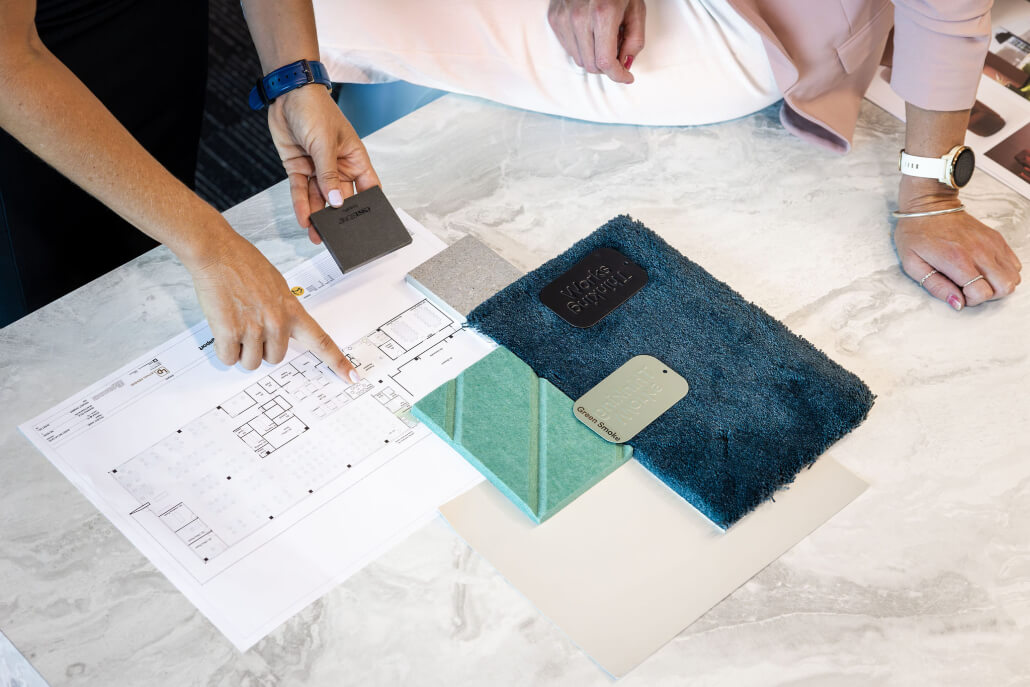
The Commercial Fitout Process Brisbane Businesses Use to Reduce Risk
This process is structured around six phases:
Research → Analysis (Needs & Options) → Design → Drawings (Documentation) → Tender → Build
Each phase has a clear purpose: reduce uncertainty, protect budget and programme, and support confident approvals and procurement—without compromising architectural precision.
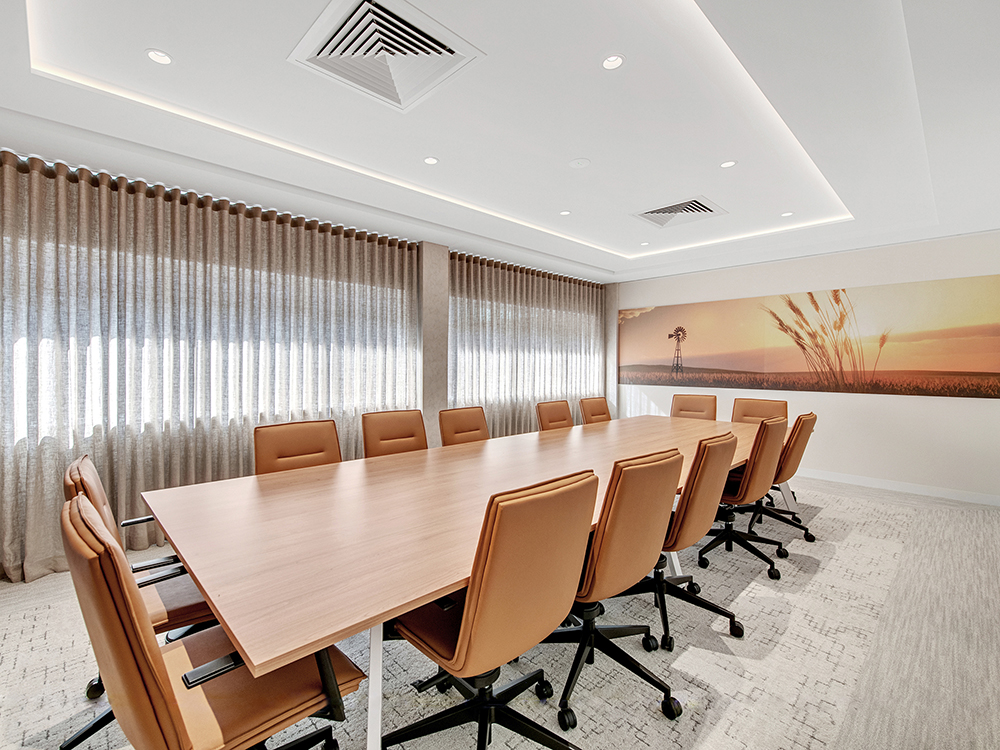
Step 1: Research Phase — Commercial Fitout Discovery in Brisbane
Every successful project starts with a grounded understanding of the site and the business. The Research Phase is where requirements, constraints and opportunities are identified early—before design concepts begin to shape expectations.
Leithal Designs reviews how the space needs to function day to day, how people move through it, and where operational pain points currently exist. For many organisations, this is the moment where hidden issues come to light: storage that was never properly planned, meeting room utilisation problems, acoustic conflicts, inefficient reception flow, or clinical room adjacencies that create bottlenecks.
The outcome is a clear, prioritised brief that is practical—not aspirational for its own sake. This is where risk is reduced by replacing assumptions with a shared, documented direction.
Typical outcomes may includea structured discovery session, site review, functional requirements, key constraints, and a clear decision framework for what needs to be solved first.
Step 2: Analysis Phase — Needs & Options Review for Office Interior Design
This phase translates discovery into a set of feasible options. The Needs & Options Review clarifies what is possible in the tenancy and what the business genuinely requires—so the project avoids expensive detours later.
Leithal Designs tests layout scenarios, circulation, adjacencies, capacity, and operational flow. It’s also the right time to identify site or compliance constraints that may influence cost and programme—such as services coordination, access, building rules, fire and egress considerations, acoustic requirements, specialised rooms, and approval pathways.
This is a high-value phase for stakeholders because it reduces debate. Instead of “opinions vs opinions”, decisions are made using a structured options set, supported by functional logic and real-world constraints.
The output is a recommended direction that aligns scope, budget expectations and timeline realities—before deeper design development begins.
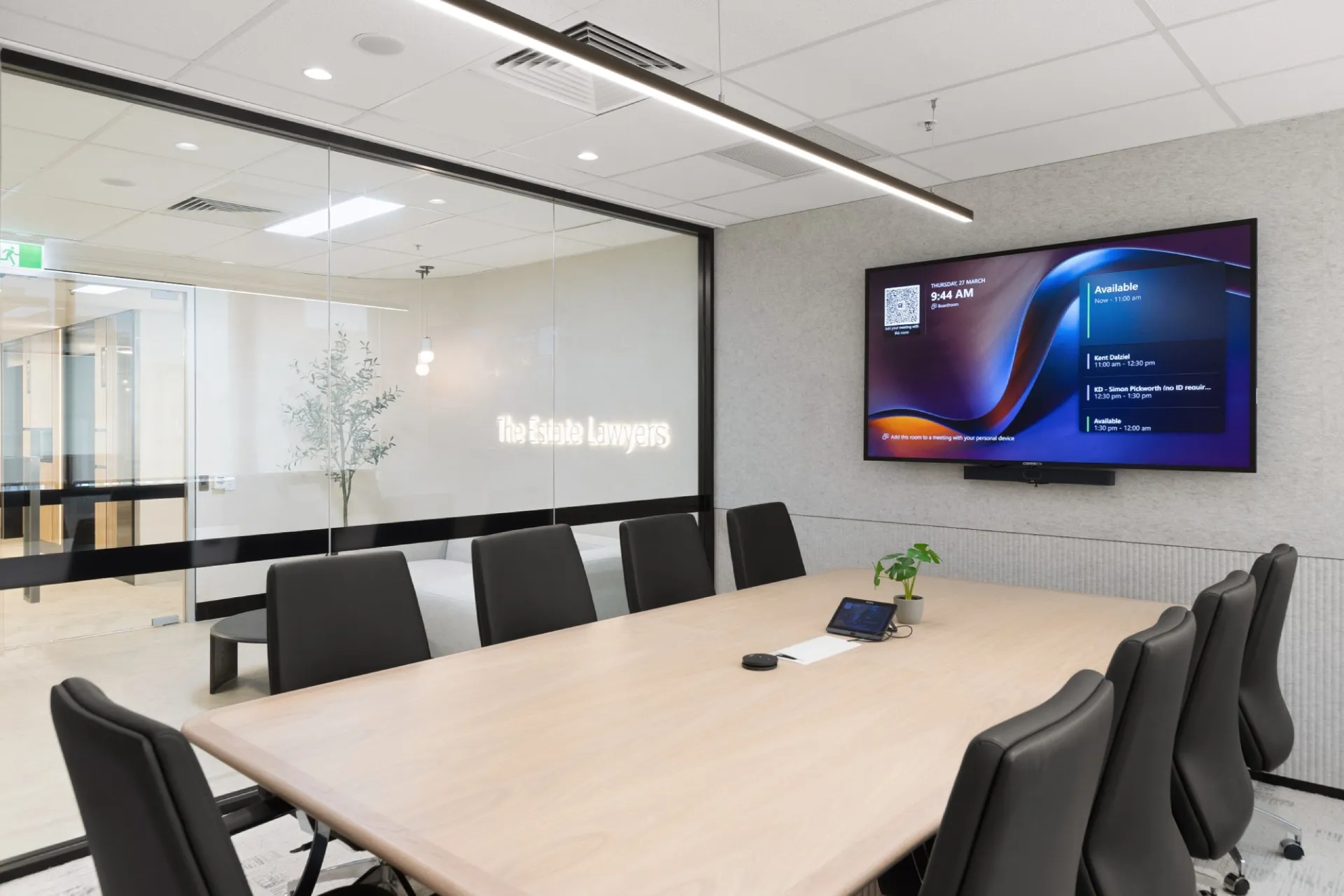
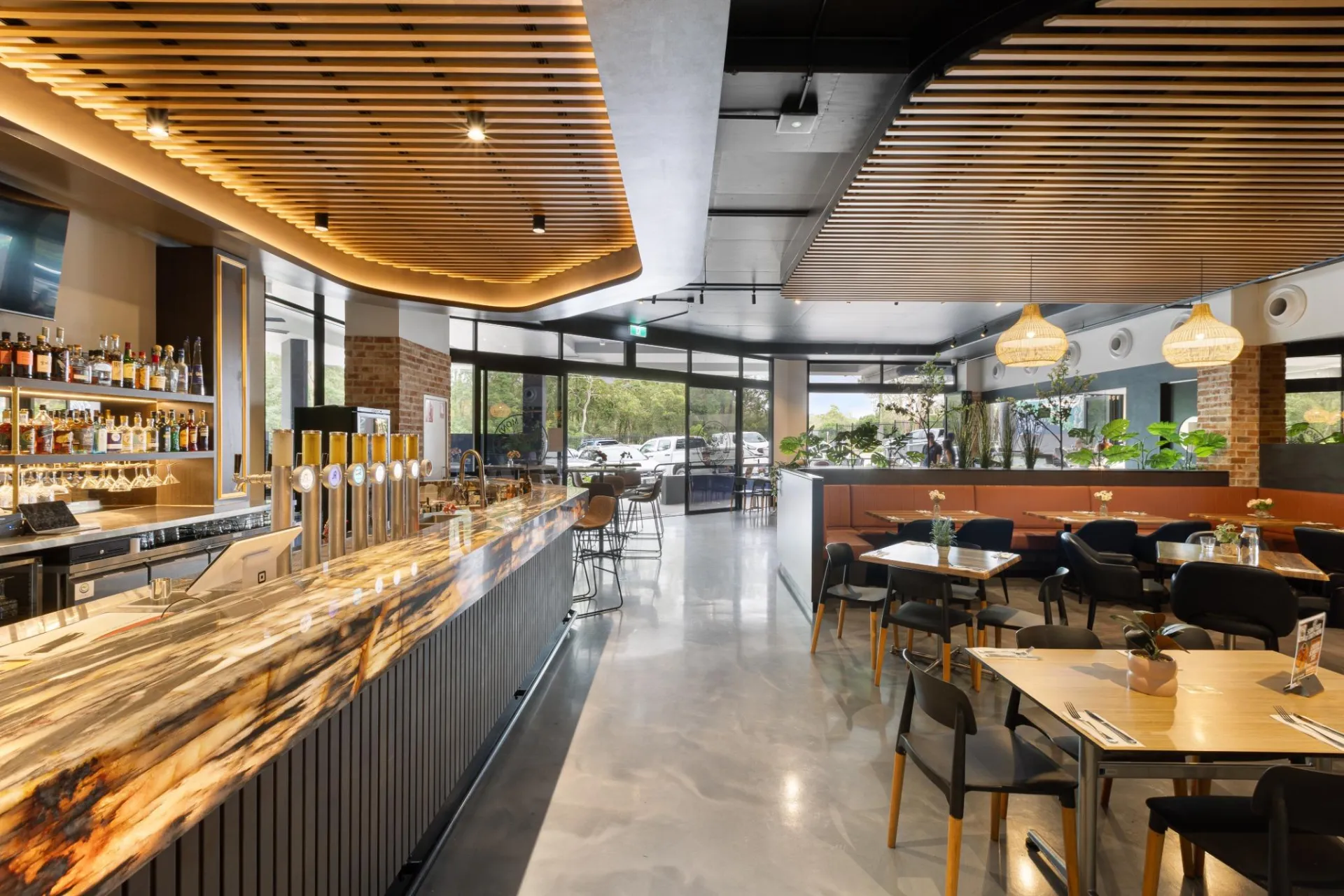
Step 2: Analysis Phase — Office Interior Fitout Needs & Options Review
With a preferred direction agreed, the Design Phase develops the concept into a cohesive interior architecture solution. The focus is on creating a space that supports performance—productivity, customer experience, staff wellbeing, and brand presence—while staying buildable.
This is where the environment starts to become tangible. Spatial planning is refined, materials and finishes are selected with longevity in mind, and critical design moments are developed (joinery, lighting intent, feature elements, thresholds, reception, treatment rooms, or customer journey touchpoints depending on the sector).
Leithal Designs maintains a strong focus on architectural precision: how junctions resolve, how materials behave over time, how services integrate, and how the space performs under real operational use. That mindset helps prevent late-stage rework and avoids designs that look compelling but become difficult to execute on site.
Step 4: Drawings Phase — Fitout Documentation & Technical Drawings
If the design phase sets the vision, documentation is what makes it deliverable. This stage converts the approved design into detailed, coordinated instructions suitable for pricing, approvals and construction.
Strong documentation supports commercial certainty. It reduces ambiguity, helps builders price accurately, and minimises scope gaps that often lead to variations and programme delays. For complex environments—particularly medical, hospitality and high-end workplaces—documentation quality influences outcomes in very practical ways.
Leithal Designs produces technical drawings and schedules that support a smoother tender and a more controlled build. Details, finishes, joinery, and consultant coordination are handled with a view to buildability and clarity, not just presentation.
This is one of the key reasons the process supports risk reduction: clearer documentation generally leads to clearer pricing, clearer site execution, and fewer costly surprises.
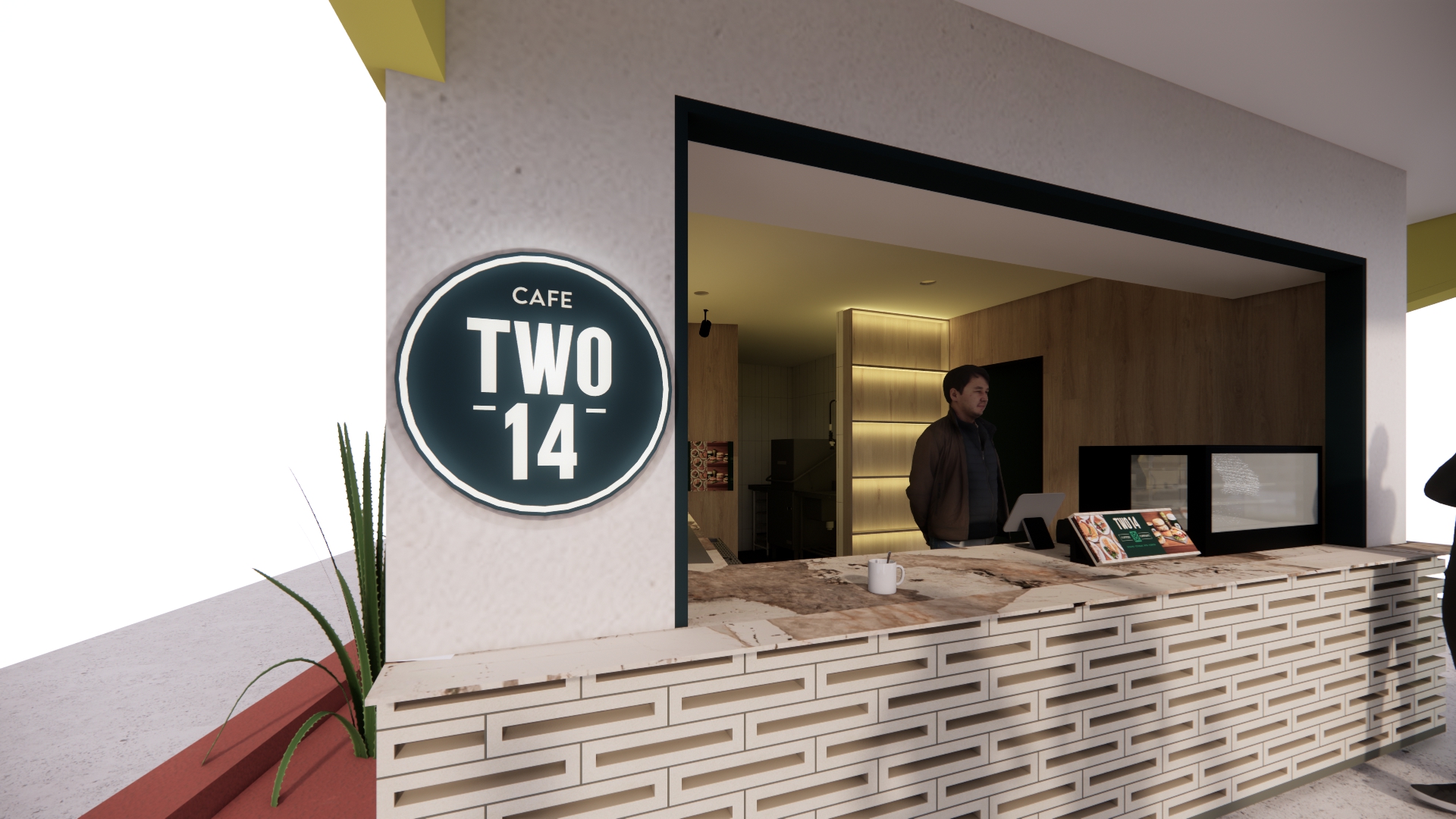

Step 5: Tender Phase — Competitive Fitout Tender Process Brisbane Using the Three-Builder System
Procurement is where projects often gain or lose commercial control. Leithal Designs uses a Three-Builder Systemto create a competitive tender environment while keeping the comparison fair and scope-aligned.
Rather than receiving quotes that are difficult to compare, tendering is structured so pricing is assessed against the same documentation and the same expectations. This supports better decision-making: not only on cost, but on programme, site management approach, inclusions/exclusions, and capability.
This phase is designed to reduce procurement risk by identifying scope gaps, unclear assumptions and exclusions early—before contracts are signed and works begin. It also supports operational efficiency by setting up a clear pathway into construction with less friction between stakeholders.
The outcome is a builder selection that balances value, quality and programme suitability for a premium commercial environment.
Step 6: Build Phase — Construction Support to Protect Design Intent
Once construction begins, design intent needs protection. During the Build Phase, Leithal Designs provides guidance, clarification and support so the finished space aligns with the documentation and approved design direction.
This phase helps maintain quality and reduce disruption by resolving queries quickly, supporting timely decisions, and addressing site realities before they escalate into delays. It also helps keep detailing, finishes, and key junctions aligned with the intended outcome—particularly important in luxury commercial environments where the difference is often in the execution.
The aim is a smoother build process and a finished environment that performs as intended, not just on completion day, but throughout day-to-day operations.
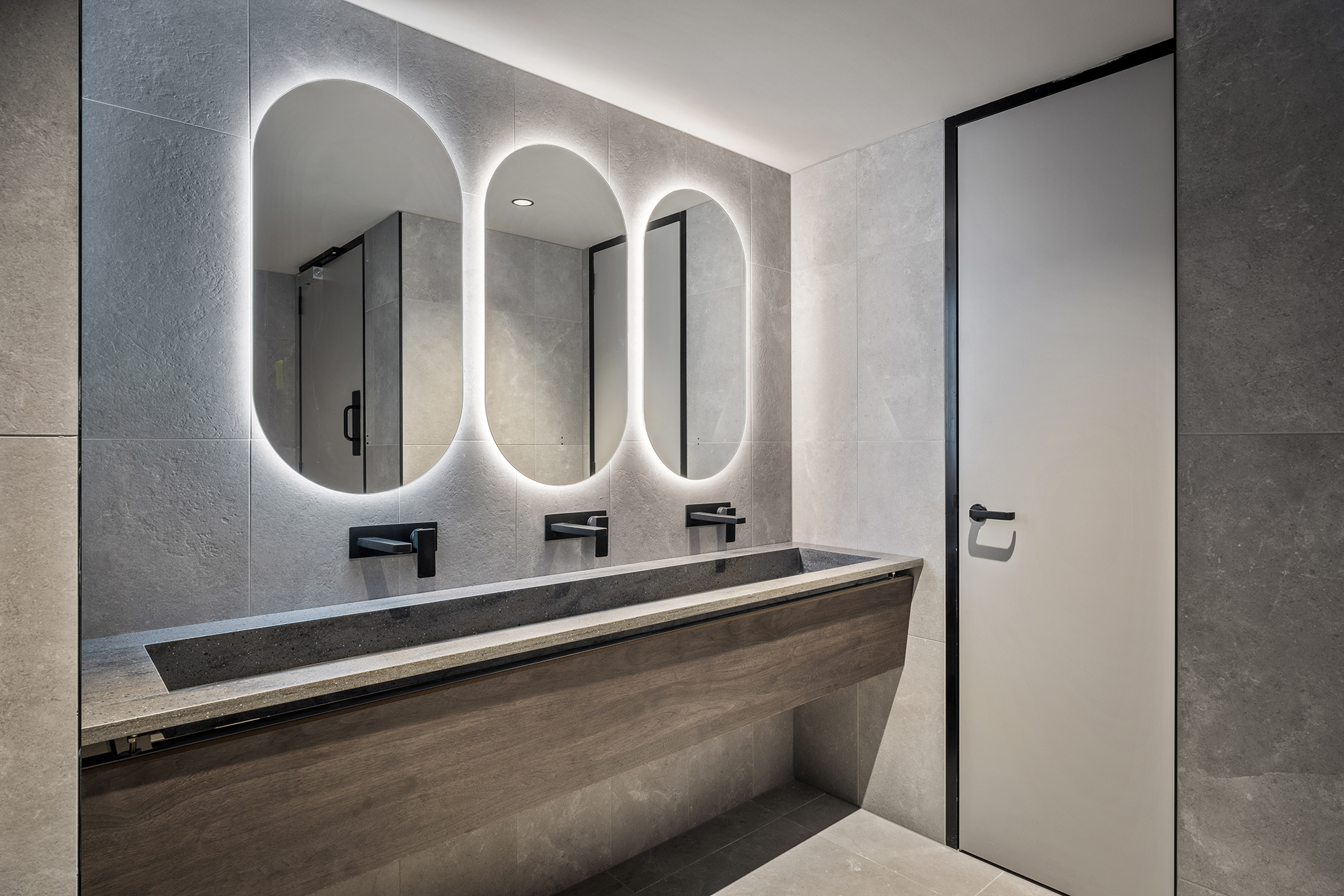
Why Our Commercial Fitout Process Is Different
Many design studios focus primarily on aesthetics. Leithal Designs approaches projects as interior architecture—where design decisions are made with construction, compliance, and long-term performance in mind.
QBCC-Licensed: More Than Interior Decoration
Leithal Designs is QBCC-licensed, which signals a higher level of technical capability and accountability than a purely decorative service. For commercial clients, this matters because licensing aligns with the realities of fitout delivery—documentation, buildability, coordination, and compliance.
Buildability First: Architectural Precision That Translates On Site
A beautiful concept is only valuable if it can be built properly. The process is intentionally structured to test feasibility early, document thoroughly, and reduce the grey areas that often create programme blowouts and variations.
Technical Documentation That Supports Cleaner Pricing and Fewer Surprises
Tender and construction phases tend to run more smoothly when drawings and schedules are detailed, coordinated and specific. This process prioritises clarity because it supports more accurate pricing and fewer scope gaps.
Three-Builder System: Competitive Tendering With Better Comparability
The Three-Builder System is designed to improve decision-making, not overwhelm it. By tendering with a structured approach, pricing is easier to compare and risk factors are easier to identify—before the project is committed to site.
Who This Process Suits
This roadmap is designed for organisations that value clarity and quality in equal measure, including:
Luxury workplaces and office fitouts that need functional planning, acoustic performance, and polished client-facing areas.
Medical and allied health environments that require precision, compliance considerations, durable finishes, and efficient room adjacencies.
Retail and hospitality spaces that depend on customer flow, brand experience, and build quality under high wear conditions.
If the brief involves multiple stakeholders, strict timeframes, or higher-than-average finish expectations, a structured process usually supports calmer decisions and cleaner delivery.
What to Expect After You Enquire
After an enquiry is submitted, the next step is usually a short call to understand the project scope and determine whether a Feasibility Callor a Needs & Options Reviewis the right starting point.
- This initial stage is designed to clarify:
- the site and tenancy constraints
- operational requirements and priorities
- scope alignment with budget expectations
- an appropriate pathway for design, documentation and tendering
Book a Feasibility Call or Needs & Options Review
If a fitout, refurbishment, or new commercial space is on the horizon, an early conversation may save months of rework later.
A Feasibility Callor Needs & Options Reviewis the simplest way to gain clarity on scope, constraints, and the most practical next steps—so decisions are made with confidence and the project moves forward with fewer surprises.

Frequently Asked Questions
How long does a commercial fitout process take in Brisbane?
Timeframes vary based on approvals, complexity, and documentation requirements. A structured process typically helps clarify time and scope early, particularly during the Needs & Options Review and documentation phases.
What is included in fitout documentation?
Fitout documentation generally includes detailed drawings and schedules that guide pricing, approvals and construction. Clear documentation helps reduce ambiguity, supports more accurate tender pricing, and reduces scope gaps.
Why tender with three builders?
A three-builder tender process creates competitive tension while keeping comparisons practical. It also helps identify exclusions, assumptions and programme differences before selecting a construction partner.
Do you manage the build?
Leithal Designs supports the build by providing clarification and guidance to protect the approved design intent and documentation. The level of involvement may be tailored to the project’s complexity and stakeholder needs.