
Commercial Fitout Design in Brisbane & Gold Coast | Leithal Designs
Commercial Fitout Designer Brisbane & Gold Coast: The Ultimate Guide to High-Impact Workspace Design
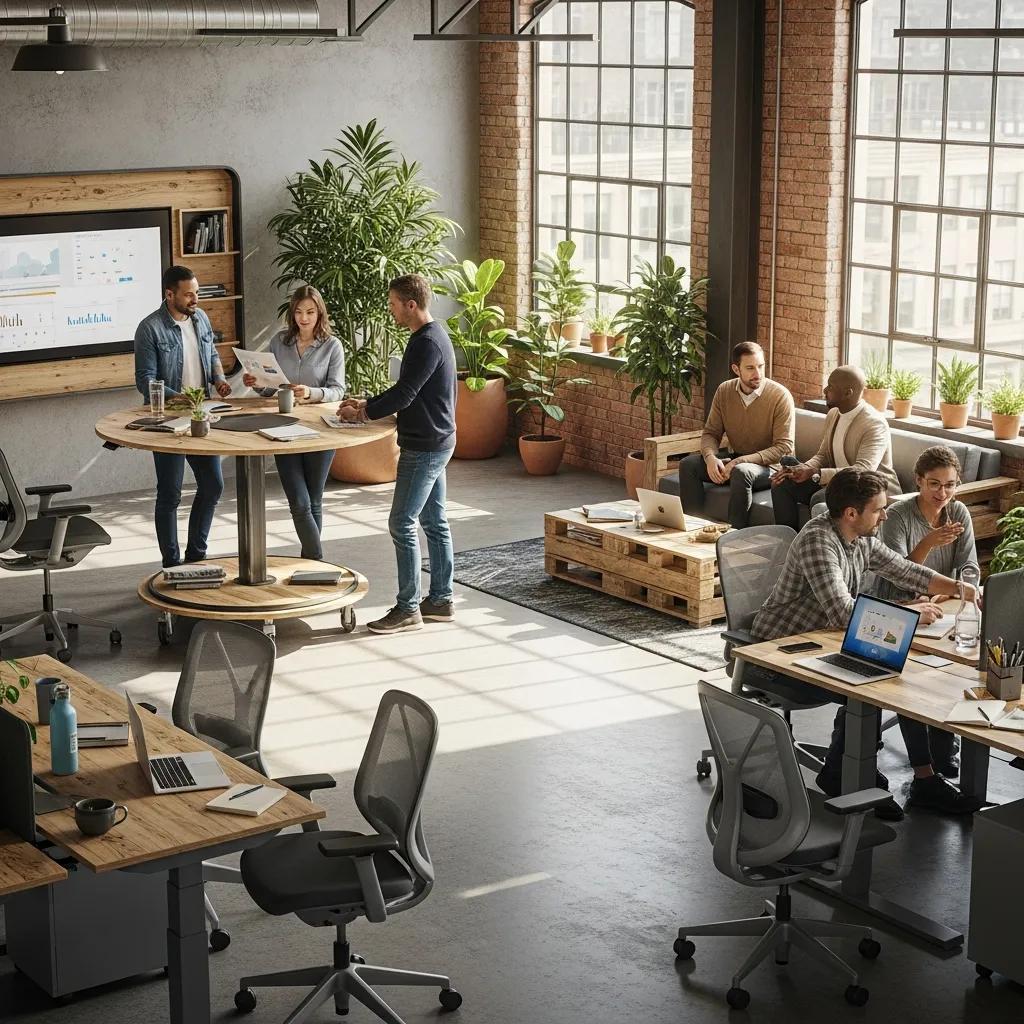
Creating an effective workspace is essential for enhancing productivity and employee satisfaction. This guide delves into the world of commercial fitout design, focusing on the Brisbane and Gold Coast regions. Readers will learn about the key elements of workspace design, including the importance of ergonomic furniture, lighting design, and sustainable materials. Many businesses struggle with outdated office layouts that hinder collaboration and creativity. A well-planned fitout can transform these spaces into dynamic environments that foster innovation and efficiency. This article will cover the various aspects of commercial fitouts, including cost planning, design trends, and the benefits of hiring a professional fitout designer.
Understanding Commercial Fitout Design
Commercial fitout design refers to the process of transforming an empty space into a functional and aesthetically pleasing environment tailored to a business’s needs. This process involves several stages, including planning, design, and execution. A successful fitout enhances the overall functionality of the workspace while reflecting the company’s brand identity. By incorporating elements such as ergonomic furniture and effective lighting design, businesses can create an environment that promotes employee well-being and productivity. Understanding the nuances of fitout design is crucial for businesses looking to optimize their workspaces.
Key Elements of Workspace Design
Workspace design encompasses various components that contribute to a productive environment. These include:
- Ergonomic Furniture: Essential for promoting comfort and reducing strain during long working hours.
- Lighting Design: Proper lighting enhances mood and productivity, making it a critical aspect of any fitout.
- Sustainable Materials: Using eco-friendly materials not only benefits the environment but also improves indoor air quality.
These elements work together to create a cohesive and functional workspace that meets the needs of both employees and the organization.
Sector-Specific Expertise in Brisbane & Gold Coast Commercial Fitouts
Medical Fitout Gold Coast & Brisbane
Medical fitouts in Brisbane and the Gold Coast require a highly specialised approach that balances functionality, compliance, and patient comfort. Infection control protocols are paramount, with materials and finishes selected to withstand rigorous cleaning and sanitisation processes. Surfaces must be non-porous and antimicrobial where possible, and layout designs must minimise cross-contamination risks.
Patient flow optimisation is critical to reduce wait times and improve the overall experience. This involves strategic placement of reception areas, waiting rooms, consultation rooms, and treatment spaces to ensure smooth transitions and privacy. Waiting room psychology is also considered, with calming colour schemes, comfortable seating, and natural light to reduce patient anxiety.
Medical equipment integration requires careful planning to accommodate specialised machinery, ensuring adequate power supply, ventilation, and accessibility. Consultation room design standards must comply with Queensland Health regulations, including minimum room sizes, privacy requirements, and ergonomic considerations for both patients and practitioners.
Compliance with Queensland Health standards is mandatory, covering infection control, ventilation, medical gas systems, and radiation shielding where applicable. Accessibility standards, particularly AS 1428, ensure that facilities are inclusive for patients with disabilities, featuring ramps, wide doorways, and accessible restrooms.
Medical waste management is another critical aspect, with designated storage and disposal areas designed to meet health and safety regulations. Examples of medical practice types served include GP clinics, dental practices, specialist suites, and day surgeries, each with unique fitout requirements tailored to their operational needs.
Hospitality Fitout Brisbane
Hospitality fitouts in Brisbane demand a nuanced understanding of kitchen workflow design to maximise efficiency and comply with health department standards. The layout must facilitate smooth movement between food preparation, cooking, plating, and service areas, minimising cross-contamination and bottlenecks.
Front-of-house and back-of-house optimisation is essential, with clear separation to maintain hygiene and operational flow. Acoustic treatment in dining spaces enhances customer comfort by reducing noise levels, while lighting design is tailored to create ambiance that complements the venue’s style and time of day.
Furniture selection balances durability with style, considering the high traffic and wear typical in hospitality environments. Outdoor dining areas are designed with the Brisbane and Gold Coast climate in mind, incorporating shading, weather-resistant materials, and ventilation to ensure comfort year-round.
Liquor licensing spatial requirements influence bar placement and storage, ensuring compliance with local regulations. Health department kitchen standards dictate materials, ventilation, and sanitation facilities, all integrated seamlessly into the design. Customer journey mapping guides the spatial arrangement to enhance flow from entry to seating, ordering, dining, and exit, optimising customer satisfaction and turnover.
Retail Fitout Gold Coast
Retail fitouts on the Gold Coast focus heavily on customer flow psychology, using layout and signage to guide shoppers intuitively through the space. Point-of-sale positioning is strategically planned to maximise visibility and convenience, often near exits or high-traffic zones.
Display fixture strategies are designed to highlight key products and promotions, utilising modular and flexible systems to adapt to seasonal changes and inventory shifts. Lighting is critical for product presentation, with adjustable fixtures that enhance colours and textures to attract attention.
Changing room design prioritises comfort and privacy, with adequate space and lighting to encourage customer confidence. Stockroom efficiency is addressed through optimised storage solutions and easy access to the sales floor, reducing restocking time.
Security integration includes discreet surveillance and alarm systems to protect assets without detracting from the shopping experience. Window displays are crafted to capture the attention of passing tourists and locals alike, adapting seasonally to reflect market trends and events.
Conversion rate optimisation through design is a key focus, with layouts and merchandising strategies aimed at increasing dwell time and purchase likelihood, critical in the competitive Gold Coast retail market.
Office Fitout Brisbane
Office fitouts in Brisbane increasingly embrace activity-based working principles, providing a variety of spaces tailored to different work modes. Collaboration zones, quiet focus areas, and social breakout spaces are balanced to support diverse employee needs.
Collaboration vs focus space ratios are carefully analysed to reflect organisational culture and workflow, ensuring neither is compromised. Ergonomic workstation standards are rigorously applied, with adjustable desks, supportive seating, and monitor positioning to reduce strain and enhance comfort.
Acoustic zoning is implemented to minimise distractions, using sound-absorbing materials and strategic spatial planning. Natural light optimisation is a priority, with layouts designed to maximise daylight penetration and reduce reliance on artificial lighting.
Biophilic design elements, such as indoor plants and natural materials, are incorporated to improve air quality and employee well-being. Technology infrastructure planning ensures seamless connectivity, with integrated power, data, and AV systems supporting hybrid work models.
Meeting room variety and booking systems are tailored to organisational needs, from small huddle rooms to large conference spaces equipped with video conferencing technology. Breakout space design encourages informal interaction and relaxation, contributing to a positive workplace culture. Hybrid work accommodation includes flexible seating and remote collaboration tools, reflecting the evolving nature of work in Brisbane’s dynamic business environment.
The Leithal Process: 24 Years of Design-Led Expertise
Leithal Designs brings over 24 years of specialised experience in commercial fitouts across Brisbane and the Gold Coast, underpinned by a rigorous, design-led process that ensures exceptional outcomes tailored to each client’s unique needs.
Step-by-Step Breakdown of the Leithal Fitout Process
- Initial Consultation: Understanding client goals, business operations, and budget parameters through detailed discussions and preliminary site visits.
- Discovery Workshops: Collaborative sessions involving stakeholders to identify functional requirements, brand values, and design aspirations, fostering alignment early in the project.
- Site Analysis: Comprehensive assessment of the existing space, including structural conditions, services, compliance constraints, and opportunities for optimisation.
- Concept Development: Creation of initial design concepts incorporating spatial planning, material palettes, and technology integration, presented through sketches and mood boards.
- 3D Visualisation and Client Presentations: Advanced 3D modelling and walkthroughs enable clients to experience the proposed design virtually, facilitating informed feedback and refinements.
- Documentation: Preparation of detailed construction drawings, specifications, and schedules adhering to industry standards and regulatory requirements.
- Contractor Selection: Rigorous vetting and tendering process to appoint qualified contractors with proven track records, ensuring quality and reliability.
- Project Management: End-to-end oversight including scheduling, budget control, procurement, and coordination of trades, maintaining transparent communication with clients.
- Quality Control Checkpoints: Regular site inspections and milestone reviews to ensure adherence to design intent, specifications, and safety standards.
- Handover Procedures: Comprehensive final inspections, client walkthroughs, and provision of operation manuals and warranties to facilitate smooth transition into occupancy.
- Post-Completion Support: Ongoing assistance with maintenance, adjustments, and future upgrades, reflecting Leithal’s commitment to long-term client satisfaction.
Over two decades, Leithal has refined this process through lessons learned, such as the importance of early stakeholder engagement to prevent costly changes, and the integration of cutting-edge technology to enhance design accuracy and client communication. Regular client collaboration touchpoints and clear communication protocols ensure transparency and responsiveness throughout the project lifecycle.
Compliance & Regulations: Navigating Queensland’s Commercial Fitout Landscape
Leithal Designs ensures all projects comply with the stringent regulatory environment governing commercial fitouts in Queensland, safeguarding client investments and operational continuity.
QBCC Licensing Requirements
Leithal Designs holds a current QBCC Building Design — Medium Rise licence. This licence covers the preparation of plans and specifications for eligible building design work within the approved medium-rise licence scope, as well as contract administration for building work designed by Leithal Designs. This supports the delivery of professionally coordinated design documentation and appropriate administration services in accordance with Queensland’s licensing requirements.
Building Code of Australia (BCA) Compliance
Fitouts are designed and executed in strict accordance with the BCA, addressing structural integrity, fire safety, accessibility, and energy efficiency. Leithal’s documentation and construction processes incorporate BCA provisions to ensure legal compliance and occupant safety.
Queensland Health Standards for Medical Fitouts
Medical fitouts adhere to Queensland Health’s rigorous standards, including infection control protocols, ventilation requirements, medical gas system installations, and radiation shielding where necessary. Leithal collaborates with health authorities and specialist consultants to meet these complex criteria.
Food Safety Standards for Hospitality Fitouts
Hospitality projects comply with Queensland Health’s food safety regulations, encompassing kitchen design, sanitation facilities, ventilation, and waste management. Leithal integrates these standards seamlessly into functional and compliant kitchen environments.
Disability Access Compliance
All fitouts meet the Australian Standard AS 1428 series and Premises Standards, ensuring accessibility for people with disabilities. Features include ramps, tactile indicators, accessible restrooms, and compliant door widths, reflecting Leithal’s commitment to inclusivity.
Fire Safety Requirements
Fire safety is paramount, with designs incorporating compliant egress routes, fire-rated materials, sprinkler systems, and emergency lighting. Leithal coordinates with fire engineers and local authorities to ensure all requirements are met and certified.
Electrical and Plumbing Compliance
Electrical and plumbing installations conform to relevant Australian Standards and local regulations, with certified tradespeople conducting all works. Leithal oversees these critical services to ensure safety, reliability, and integration with building systems.
Council Approval Processes
Leithal manages all necessary approvals from Brisbane City Council and Gold Coast City Council, including development applications, building permits, and compliance certificates. This comprehensive approach streamlines project timelines and ensures regulatory adherence.
Cost Planning for Commercial Fitouts

Cost planning is a vital aspect of any commercial fitout project. It involves estimating the total expenses associated with the design and execution of the fitout. Understanding the costs involved helps businesses allocate their budgets effectively and avoid unexpected expenses.
This table outlines the estimated costs and durations for different types of fitout services, providing a clear overview for businesses planning their projects.
Factors Influencing Fitout Costs
Several factors can influence the overall cost of a commercial fitout, including:
- Size of the Space: Larger areas typically require more materials and labor, increasing costs.
- Design Complexity: Custom designs with unique features can significantly raise expenses.
- Location: Costs may vary based on the region and local market conditions.
Understanding these factors allows businesses to make informed decisions when planning their fitout projects.
Benefits of Hiring a Professional Fitout Designer
Engaging a professional fitout designer can streamline the process and ensure a high-quality outcome. The benefits include:
- Expertise: Designers bring valuable knowledge of current trends and best practices.
- Time Efficiency: Professionals can manage the project timeline effectively, reducing delays.
- Cost Savings: Experienced designers can help avoid costly mistakes and optimize resource allocation.
By leveraging the expertise of a fitout designer, businesses can achieve a workspace that aligns with their vision and operational needs.
Trends in Commercial Fitout Design
Staying updated with the latest trends in commercial fitout design is essential for creating modern workspaces. Current trends include:
- Flexible Workspaces: Designs that accommodate both collaborative and individual work.
- Biophilic Design: Incorporating natural elements to enhance well-being and productivity.
- Technology Integration: Smart office solutions that improve efficiency and connectivity.
These trends reflect the evolving nature of work environments and the importance of adaptability in design.
The Role of Technology in Fitout Design
Technology plays a crucial role in modern fitout design. It enables businesses to create smart workspaces that enhance productivity and collaboration. Key technological elements include:
- Smart Lighting Systems: Automated lighting that adjusts based on occupancy and natural light.
- Collaboration Tools: Integrated systems that facilitate communication and teamwork.
- Energy Management Solutions: Technologies that monitor and optimize energy usage.
Incorporating these technologies into fitout designs can lead to significant improvements in operational efficiency.
Sustainable Practices in Fitout Design
Sustainability is becoming increasingly important in commercial fitout design. Businesses are now prioritizing eco-friendly practices to reduce their environmental impact. Key sustainable practices include:
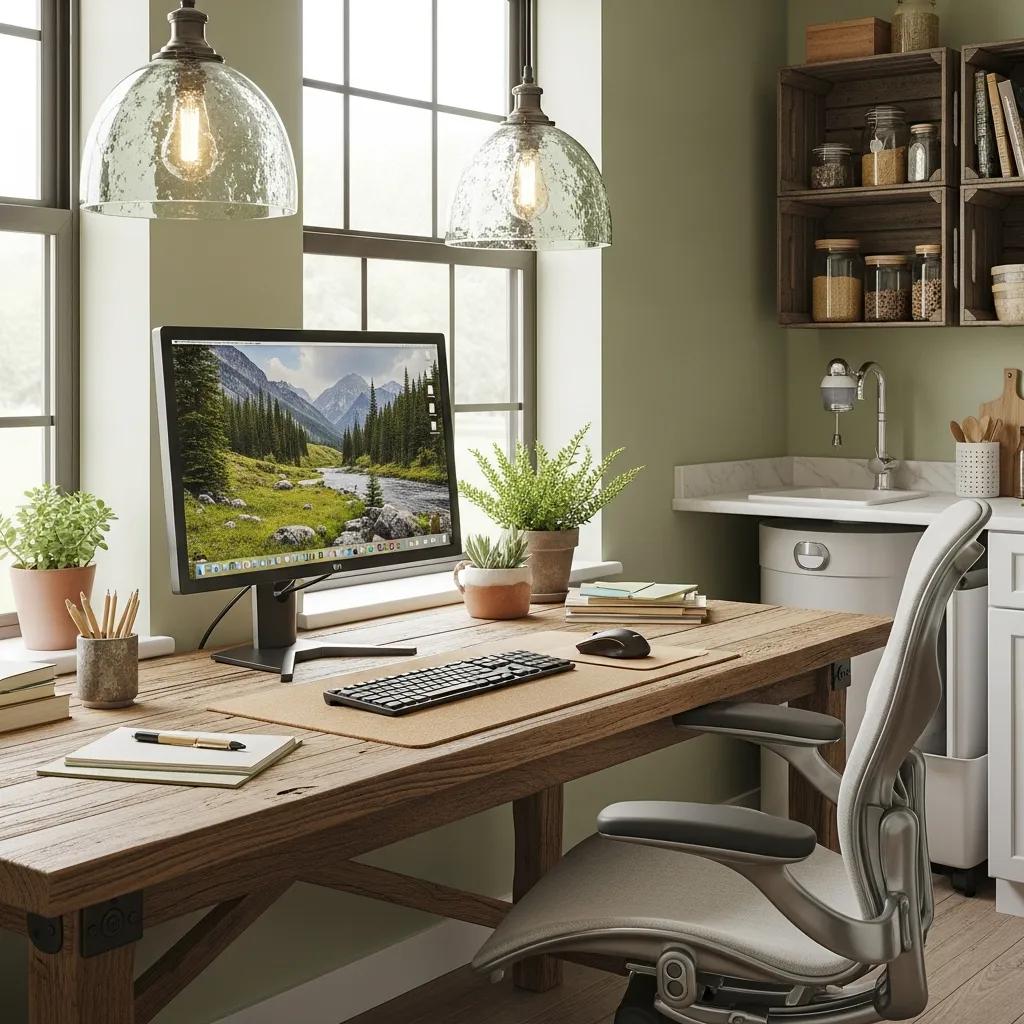
- Using Recycled Materials: Incorporating recycled materials into the design reduces waste and conserves resources.
- Energy-Efficient Systems: Implementing energy-efficient lighting and HVAC systems lowers energy consumption.
- Water Conservation Measures: Installing water-saving fixtures contributes to overall sustainability efforts.
By adopting these practices, businesses can create environmentally responsible workspaces that align with their corporate values.
Strategic Value of Design: Maximising ROI and Business Impact
Investing in quality commercial fitout design delivers measurable returns across multiple business dimensions. In Brisbane and the Gold Coast markets, where competition is intense and customer expectations high, the strategic value of design cannot be overstated.
Revenue Generation and Customer Dwell Time: Thoughtful design enhances customer experience, encouraging longer visits and increased spending. For retail and hospitality sectors, optimised layouts, lighting, and ambiance directly influence purchasing behaviour and repeat patronage.
Employee Productivity and Satisfaction: In office and medical environments, ergonomic workstations, natural light, and biophilic elements contribute to reduced absenteeism, higher engagement, and improved output. Well-designed spaces support diverse work styles and foster collaboration, critical in today’s hybrid work landscape.
Brand Perception: A professionally designed fitout reflects organisational values and professionalism, strengthening brand identity and client trust. This is particularly important in sectors like medical and professional services where credibility is paramount.
ROI Metrics and Payback Period: While initial investment varies by fitout type, typical payback periods range from 2 to 5 years, factoring in increased revenue, operational efficiencies, and reduced staff turnover. Leithal Designs provides detailed business case analyses to help clients understand these financial impacts.
Cost of Poor Design: Inefficient layouts and outdated aesthetics can lead to lost productivity, customer dissatisfaction, higher staff turnover, and operational inefficiencies, ultimately costing more than the initial savings on fitout expenses.
Investment vs. Cost Mindset: Viewing fitouts as strategic investments rather than mere costs enables businesses to prioritise quality and future-proofing, reducing long-term expenses associated with frequent refurbishments or operational disruptions.
Future-Proofing and Adaptability: Flexible design solutions accommodate evolving business needs, technology advancements, and workforce changes, minimising the need for costly modifications.
Sustainability and Energy Efficiency: Incorporating green design principles not only reduces utility costs but also enhances brand reputation among increasingly eco-conscious consumers and employees.
Conclusion
In conclusion, commercial fitout design is a critical investment for businesses looking to enhance their workspaces. By understanding the key elements, cost planning, and current trends, organisations can create environments that foster productivity and employee satisfaction. Engaging a professional fitout designer can further streamline the process, ensuring a successful outcome that meets the unique needs of the business. As the landscape of work continues to evolve, staying informed about design trends and sustainable practices will be essential for creating high-impact workspaces.
For more detailed insights on workspace transformation, consider exploring workspace transformation strategies that align with your business goals.
Additionally, understanding the latest office design trends can help you stay ahead in creating innovative and efficient work environments.