
Space Planning for Commercial Interiors: Principles That Maximise Productivity and Flow

Space Planning for Commercial Interiors in Brisbane: Principles That Maximise Productivity and Flow
Effective space planning is crucial for enhancing productivity and flow within commercial interiors. It involves strategically organizing physical spaces to optimize functionality, comfort, and aesthetics. By understanding the principles of space planning, businesses can create environments that not only meet their operational needs but also foster employee well-being and collaboration. This article delves into the core principles of commercial space planning, ergonomic design, layout strategies, and flow design techniques that can significantly improve office interiors. Additionally, we will explore how Leithal Designs, a leading commercial interior design firm in South-East Queensland, implements these principles to create bespoke solutions tailored to client needs.
What Are the Core Principles of Commercial Space Planning for Productivity?
The core principles of commercial space planning focus on maximizing space utilization, enhancing workflow, and aligning with brand values. Effective space planning can lead to increased property value and improved employee satisfaction. Key principles include:
- Maximizing Space Utilization: Efficiently using available space ensures that every square meter contributes to productivity.
- Understanding Workflow: Analyzing how employees move and interact within the space helps in designing layouts that facilitate smooth operations.
- Aligning with Brand Values: The design should reflect the company’s identity and culture, creating a cohesive environment that resonates with employees and clients alike.
These principles serve as a foundation for creating productive workspaces that cater to the specific needs of businesses. For those looking to enhance their commercial interiors, Leithal Designs offers expert “space planning services” that can transform your workspace into a high-performing environment.
How Does Ergonomic Design Enhance Workspace Efficiency?

Ergonomic design plays a vital role in enhancing workspace efficiency by creating environments that support the physical well-being of employees. This design approach focuses on the following aspects:
Research consistently highlights how integrating ergonomic principles into workplace design offers substantial benefits for both employees and employers.
Workplace Ergonomics: Enhancing Health & Productivity
ergonomic principles into workplace design yields numerous benefits for both employees and employers. By designing workspaces that allow individuals to perform their tasks efficiently, comfortably, and safely, organizations can foster a healthier and more productive work environment.
Enhancing occupational health and ergonomics for optimal workplace well-being: a review, U Adiga, 2023
- Adjustable Furniture Benefits: Providing adjustable desks and chairs allows employees to customize their workstations for comfort, reducing strain and fatigue.
- Proper Desk Height Importance: Ensuring desks are at the correct height promotes better posture and reduces the risk of musculoskeletal disorders.
- Natural Light and Acoustics: Incorporating natural light and sound-absorbing materials can enhance focus and reduce distractions, leading to improved productivity.
By prioritizing ergonomic design, businesses can create healthier work environments that boost employee morale and efficiency.
Further studies emphasize that a well-designed ergonomic workplace is crucial for preventing discomfort, improving efficiency, and optimizing overall human well-being.
Ergonomic Workplace Design for Productivity & Well-being
A workplace should have good consideration of ergonomics in the design which can prevent musculoskeletal discomfort, improve productivity and work efficiency, reduce production costs and optimize human well-being. This paper aims to summarize the six aspects of applying ergonomics principles in workplace design.
6Ws in ergonomics workplace design, 2018
Which Layout Strategies Optimise Workflow and User Experience?
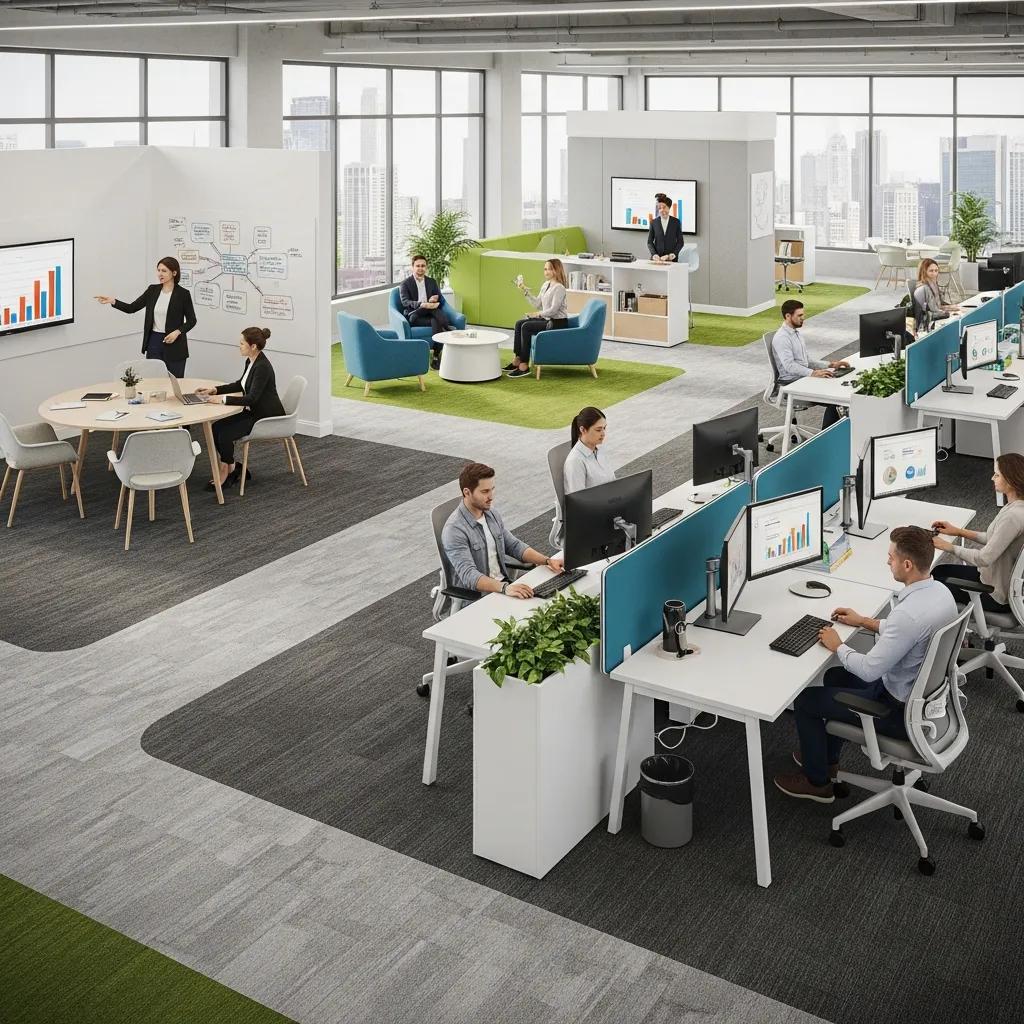
Optimizing workflow and user experience in commercial spaces requires thoughtful layout strategies. Effective strategies include:
- Functional Zoning: Dividing the workspace into distinct zones for different activities (e.g., collaboration, quiet work) helps streamline operations.
- Clear Circulation Paths: Designing clear pathways for movement reduces congestion and enhances accessibility.
- Flexible Workspaces: Incorporating adaptable spaces that can be reconfigured for various tasks promotes collaboration and innovation.
These layout strategies not only improve workflow but also enhance the overall user experience, making the workspace more enjoyable and efficient.
How Can Flow Design Techniques Improve Office Interiors?
Flow design techniques focus on creating a seamless transition between different areas of a workspace. Key techniques include:
- Open Plan Workspace Benefits: Open layouts encourage communication and collaboration among employees, fostering a sense of community.
- Hybrid Workspace Considerations: Combining open and private spaces allows for flexibility, catering to diverse work styles and preferences.
- Employee Amenities Impact: Providing amenities such as break areas and meeting rooms enhances employee satisfaction and productivity.
Implementing flow design techniques can significantly improve the functionality and aesthetic appeal of office interiors.
What Are Effective Zoning Methods to Facilitate Movement?
Effective zoning methods are essential for facilitating movement within commercial spaces. These methods include:
- Zoning for Collaboration: Creating designated areas for teamwork encourages interaction and idea sharing among employees.
- Noise Reduction Strategies: Implementing soundproofing measures in specific zones minimizes distractions and enhances focus.
- Privacy Considerations: Designing private spaces for concentrated work helps employees perform tasks without interruptions.
By employing these zoning methods, businesses can create environments that support both collaboration and individual productivity.
How Do Open Plan and Hybrid Workspaces Influence Flow?
Open plan and hybrid workspaces have a significant impact on the flow of movement and interaction within an office. Key influences include:
- Visibility and Accessibility: Open layouts promote visibility, making it easier for employees to connect and collaborate.
- Flexible Layouts: Hybrid workspaces allow for adaptability, accommodating various work styles and preferences.
- Employee Satisfaction: A well-designed workspace that balances openness with privacy can enhance employee satisfaction and retention.
Understanding these influences is crucial for designing spaces that foster a positive work environment.
What Are Proven Commercial Space Utilisation Strategies in Brisbane?
In Brisbane, several proven space utilization strategies can enhance the efficiency of commercial interiors. These strategies include:
- Functional Layouts: Designing spaces that align with specific business functions ensures optimal use of available resources.
- Zoning and Adjacency: Strategically placing related departments or teams together promotes collaboration and efficiency.
- User-Centric Design: Focusing on the needs and preferences of employees leads to more effective and satisfying work environments.
These strategies are essential for businesses looking to maximize their space and improve overall productivity.
How Does Space Planning Maximise Usable Area Without Compromising Comfort?
Effective space planning can maximize usable area while ensuring comfort through various approaches:
- Acoustic Considerations: Implementing sound-absorbing materials helps create a comfortable auditory environment.
- Compliance and Accessibility: Ensuring that spaces meet accessibility standards allows for inclusive design that accommodates all employees.
- Sustainable Practices: Incorporating sustainable materials and practices not only benefits the environment but also enhances the overall comfort of the workspace.
By focusing on these aspects, businesses can create spaces that are both functional and comfortable.
Which Sustainable and Ergonomic Solutions Support Long-Term Productivity?
Sustainable and ergonomic solutions are essential for supporting long-term productivity in commercial interiors. Key solutions include:
- Biophilic Design Benefits: Integrating natural elements into the workspace can improve employee well-being and productivity.
- Smart Office Technology: Utilizing technology to monitor and optimize workspace conditions enhances comfort and efficiency.
- Flexible Workspaces: Designing adaptable spaces that can evolve with changing business needs supports long-term productivity.
These solutions not only promote sustainability but also contribute to a healthier and more productive work environment.
Indeed, a holistic approach to biophilic design, considering both its physical and psychological impacts, is proven to significantly enhance workplace productivity and well-being.
Biophilic Design for Enhanced Workplace Productivity
The holistic approach encompasses considerations of not only the physical aspects of biophilic design but also its psychological and physiological impacts, ultimately contributing to enhancing productivity and well-being in the workplace.
Economic benefits of biophilic design: a holistic approach to enhancing productivity and well-being in the workplace, J Barnaby, 2023
How Does Leithal Designs Implement Expert Space Planning for Commercial Interiors?
Leithal Designs employs a comprehensive approach to space planning that focuses on operational workflow analysis, collaboration, and sustainability. Their process includes:
- Operational Workflow Analysis: Understanding how employees interact with their environment allows for tailored design solutions.
- Collaboration and Communication: Creating spaces that facilitate teamwork enhances productivity and innovation.
- Sustainability Considerations: Incorporating sustainable practices into design ensures long-term viability and environmental responsibility.
By leveraging these strategies, Leithal Designs delivers high-quality, bespoke interior solutions that meet the unique needs of each client.
What Is the Step-by-Step Process for Tailored Commercial Interior Design?
The process for tailored commercial interior design typically involves several key phases:
- Research Phase: Gathering information about the client’s needs, preferences, and business objectives.
- Design Phase: Developing design concepts that align with the client’s vision and operational requirements.
- Build Phase: Implementing the design through construction and installation, ensuring quality and adherence to timelines.
This structured approach ensures that the final design meets the client’s expectations and enhances the overall functionality of the space.
How Are Client Needs Translated into High-Performing Spaces?
Translating client needs into high-performing spaces involves a thorough understanding of their objectives and challenges. Key steps include:
- Project Briefing: Engaging with clients to gather detailed information about their requirements and goals.
- Feasibility Assessment: Evaluating the practicality of proposed design solutions to ensure they align with client expectations.
- Design Development: Creating detailed design plans that reflect the client’s vision while optimizing functionality.
By following this process, designers can create spaces that not only meet client needs but also enhance overall productivity.
Which Case Studies Demonstrate Measurable Productivity Outcomes in Commercial Interiors?
Several case studies highlight the measurable productivity outcomes achieved through effective space planning. Examples include:
- Successful Project Examples: Projects that have successfully implemented innovative design solutions leading to increased employee satisfaction and productivity.
- Measurable Outcomes: Quantifiable improvements in workflow efficiency and employee engagement resulting from strategic space planning.
- Client Testimonials: Feedback from clients showcasing the positive impact of tailored design solutions on their business operations.
These case studies serve as valuable references for businesses considering space planning initiatives.
What Are Examples of Luxury Retail and Corporate Projects in Brisbane?
In Brisbane, several luxury retail and corporate projects exemplify high-end design and functionality. Notable examples include:
- Luxury Retail Examples: High-end retail spaces that combine aesthetics with functionality to enhance the shopping experience.
- Corporate Project Highlights: Corporate offices designed to reflect brand identity while promoting employee collaboration and productivity.
- Design Challenges and Solutions: Innovative solutions implemented to overcome specific design challenges faced during project execution.
These examples demonstrate the potential of effective space planning to create exceptional environments.
How Have Space Planning Solutions Improved Client Operational Efficiency?
Space planning solutions have been shown to significantly improve client operational efficiency through various means:
- Operational Efficiency Improvements: Streamlined workflows resulting from thoughtful space design lead to enhanced productivity.
- Client Success Stories: Testimonials from clients who have experienced measurable improvements in their operations following space redesign.
- Long-Term Benefits: Sustainable design practices that contribute to ongoing operational efficiency and employee satisfaction.
These outcomes highlight the importance of strategic space planning in achieving business objectives.
How Can You Book a No-Obligation Discovery Call for Commercial Space Planning?
Booking a no-obligation discovery call for commercial space planning is straightforward. Interested clients can reach out through the following methods:
- Phone: Call 07 3040 7710 to speak with a representative.
- Email: Send an inquiry to hello@leithaldesigns.com.au for more information.
- Preparation for the Call: Clients are encouraged to prepare any specific questions or requirements they may have to ensure a productive discussion.
This initial consultation provides an opportunity to explore tailored design solutions that meet the unique needs of each business.
What to Expect During Your Initial Consultation with Leithal Designs?
During the initial consultation with Leithal Designs, clients can expect a comprehensive discussion covering key topics such as:
- Consultation Scheduling: Setting a convenient time for the meeting to ensure all stakeholders can participate.
- Key Topics Discussed: Exploring the client’s vision, objectives, and any specific challenges they face.
- Preparatory Steps for Clients: Clients should come prepared with any relevant information or materials that can aid in the discussion.
This consultation serves as a foundation for developing effective design solutions tailored to the client’s needs.
How Does the Discovery Call Facilitate Tailored Design Solutions?
The discovery call is a crucial step in facilitating tailored design solutions. Key aspects include:
- Discussion of Project Details: Engaging in a detailed conversation about the client’s project requirements and expectations.
- Clarifying Goals and Constraints: Identifying any limitations or specific goals that need to be addressed in the design process.
- Creating Tailored Solutions: Using the insights gained during the call to develop customized design strategies that align with the client’s vision.
This process ensures that the final design is not only aesthetically pleasing but also functional and aligned with the client’s operational needs.