What Makes a Successful Commercial Fitout? Lessons From 24 Years of Projects
What Makes a Successful Commercial Fitout? Expert Lessons from 24 Years of Commercial Interior Design in Australia
A successful commercial fitout is a blend of strategic planning, client collaboration, and expert execution. With over 24 years of experience, Leithal Designs has honed its approach to delivering high-end commercial interiors that not only meet but exceed client expectations. This article will explore the essential elements that contribute to a successful commercial fitout, including the importance of strategic planning, client-centric consultation, and the selection of premium materials. By understanding these components, business leaders can ensure their fitout projects are both effective and efficient, ultimately leading to enhanced operational performance and client satisfaction. We will delve into the steps involved in planning a commercial fitout, the best practices for space planning, and how to choose the right commercial fitout partner.
Despite the clear benefits, the broader academic understanding of commercial interior design and fit-out projects continues to evolve, underscoring their growing significance.
Commercial Interior Design & Fit-Out Project Significance
Limited research is available on commercial interior design and fit-out projects in commercial sectors such as offices, retail, and hospitality. This research aims to identify the significance of commercial interior design and fit-out projects.
Evaluating the effectiveness of design-build project delivery method in commercial interior design and fit-out projects. A qualitative study of New Zealand’s AEC …, 2024
How Do Strategic Planning and Client Collaboration Define Successful Commercial Fitouts?
Strategic planning and client collaboration are foundational to successful commercial fitouts. Strategic planning involves outlining the project’s objectives, timelines, and budget, ensuring that all stakeholders are aligned from the outset. This process allows for a clear understanding of the project scope and helps mitigate potential risks. Client collaboration enhances this process by incorporating the client’s vision and feedback, which is crucial for tailoring the fitout to their specific needs. The synergy between strategic planning and client input not only fosters a smoother execution but also results in a final product that resonates with the client’s brand identity and operational requirements.
Further emphasizing the importance of a well-structured approach, research highlights how strategic planning aligns various project elements to deliver client value.
Strategic Planning for Commercial Fitout Success & Client Value
Strategic Planning for Success offers you a pragmatic guide to the design and development of practical and pragmatic strategic plans. It focuses on aligning people, performance, and payoffs, with an emphasis on adding value to their clients’ clients.
Strategic planning for success: Aligning people, performance, and payoffs, R Watkins, 2003
What Are the Essential Steps in Commercial Fitout Planning?
Effective commercial fitout planning involves several critical steps that ensure the project is executed smoothly and meets the desired outcomes. These steps include:
- Discovery & Strategic Direction: This initial phase involves understanding the client’s needs, goals, and vision for the space.
- Research Phase: Conducting thorough research on the site, including zoning laws and building regulations, is essential to inform the design process.
- Design Phase: This phase translates the strategic direction into tangible design concepts, incorporating client feedback to refine the vision.
By following these steps, businesses can create a structured approach to their fitout projects, minimizing disruptions and maximizing efficiency.
How Does Client-Centric Consultation Enhance Fitout Outcomes?

Client-centric consultation is pivotal in enhancing fitout outcomes. This approach involves engaging clients through detailed briefing sessions and iterative feedback loops, ensuring their needs and preferences are prioritized throughout the project. By fostering open communication, designers can better understand the client’s vision and make informed decisions that align with their expectations. This collaborative process not only leads to a more satisfactory end result but also builds trust and rapport between the client and the design team, ultimately contributing to the project’s success.
Which Design Principles and Material Selections Elevate High-End Commercial Interiors?
The design principles and material selections play a significant role in elevating high-end commercial interiors. Key principles include:
- Architectural Grounding: Ensuring that the design complements the existing architecture while enhancing functionality.
- Brand Alignment: The fitout should reflect the client’s brand identity, creating a cohesive experience for employees and customers alike.
- Durable Materials: Selecting high-quality, durable materials ensures longevity and reduces maintenance costs over time.
These principles guide the design process, resulting in spaces that are not only aesthetically pleasing but also practical and aligned with the client’s operational needs.
Further research emphasizes that successful commercial interior design hinges on integrating critical elements, including sustainable practices and strategic location considerations.
Commercial Interior Design: Critical Elements for High-End Success
Topics on sustainable design and design elements critical for the successful design of commercial interiors are explored. The impact of location on perceived value can be greater when the business is located in a high-end area.
Designing commercial interiors, 2010
What Are the Best Practices for Commercial Space Planning in Australia?
Effective space planning is crucial for maximizing the functionality of commercial interiors. Best practices include:
- Discovery & Strategic Direction: Understanding the specific needs of the business and how the space will be utilized.
- Research & Feasibility: Assessing the site and its constraints to inform design decisions.
- Post-Occupancy Evaluation: Gathering feedback after the fitout is complete to assess the effectiveness of the design and make necessary adjustments.
Implementing these best practices ensures that the fitout not only meets current needs but is also adaptable for future growth.
How Do Premium Materials and Craftsmanship Impact Fitout Quality?
The quality of materials and craftsmanship significantly impacts the overall quality of a commercial fitout. Premium materials not only enhance the aesthetic appeal but also contribute to the durability and functionality of the space. High-quality craftsmanship ensures that the fitout is executed to the highest standards, minimizing the risk of defects and ensuring longevity. Investing in premium materials and skilled labor ultimately leads to a fitout that stands the test of time and meets the demands of a dynamic business environment.
What Project Management Best Practices Ensure Timely and Cost-Effective Commercial Fitouts?
Effective project management is essential for ensuring that commercial fitouts are completed on time and within budget. Best practices include:
- Detailed Briefing Process: Establishing clear objectives and expectations from the outset.
- Structured Design Process: Following a systematic approach to design that incorporates client feedback at each stage.
- Regular Communication: Maintaining open lines of communication among all stakeholders to address issues promptly.
By adhering to these practices, project managers can navigate challenges effectively and deliver successful fitouts that meet client expectations.
How Is Project Execution Controlled to Meet Budget and Timeline Targets?
Controlling project execution is vital for meeting budget and timeline targets. This involves implementing a structured process that includes regular reviews of progress against the project plan. A needs and options review allows for adjustments to be made as necessary, ensuring that the project remains on track. Regular communication with all stakeholders helps to identify potential issues early, allowing for proactive solutions that keep the project within budget and on schedule.
What Role Does Risk Management Play in Commercial Fitout Success?
Risk management is a critical component of successful commercial fitouts. By identifying potential risks early in the planning process, project teams can develop strategies to mitigate these risks. This proactive approach enhances decision-making and improves budget control, ultimately leading to a smoother execution. Effective risk management not only protects the project from unforeseen challenges but also instills confidence in clients, knowing that their investment is safeguarded.
How Do Sustainability and Regulatory Compliance Influence Modern Commercial Fitouts?
Sustainability and regulatory compliance are increasingly important in modern commercial fitouts. Businesses are now expected to adhere to environmental regulations and implement sustainable practices in their operations. This includes selecting eco-friendly materials, optimizing energy efficiency, and ensuring compliance with local building codes. By prioritizing sustainability, companies can enhance their brand reputation and appeal to environmentally conscious consumers while also reducing operational costs.
What Are the Key Australian Building Regulations Affecting Commercial Fitouts?
Understanding the key Australian building regulations is essential for ensuring compliance during commercial fitouts. Important regulations include:
- National Construction Code (NCC): Sets the minimum requirements for the design and construction of buildings.
- Local Council Regulations: Specific requirements that vary by location and must be adhered to during the fitout process.
- Compliance Requirements: Ensuring that all aspects of the fitout meet the necessary safety and accessibility standards.
By familiarizing themselves with these regulations, businesses can avoid costly delays and ensure a smooth fitout process.
How Are Sustainable Materials and Practices Integrated into Fitout Projects?
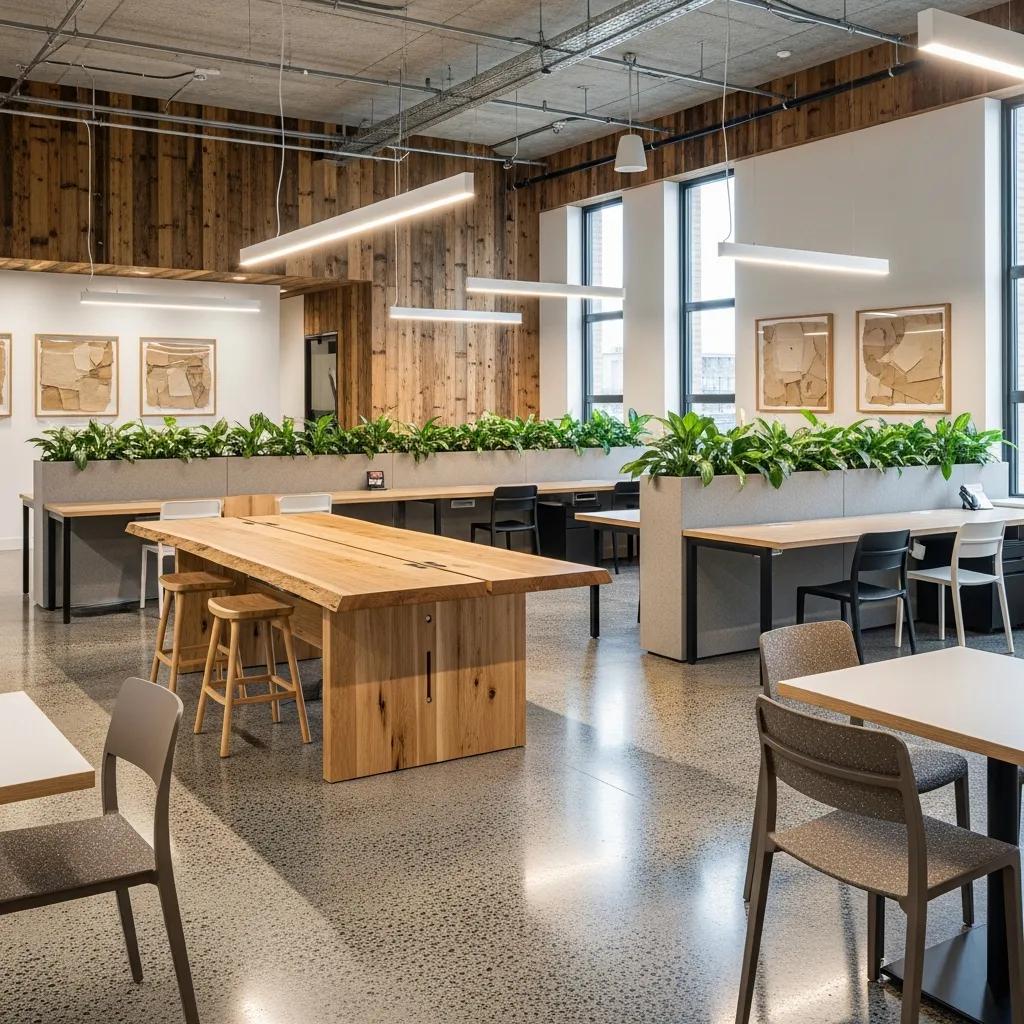
Integrating sustainable materials and practices into fitout projects involves careful selection and planning. This includes choosing materials that are sourced responsibly and have a lower environmental impact. Energy-efficient designs, such as maximizing natural light and incorporating renewable energy sources, also play a crucial role in sustainability. By prioritizing these elements, businesses can create spaces that are not only functional but also environmentally friendly.
What Insights Do High-End Commercial Fitout Case Studies Reveal About Success Factors?
High-end commercial fitout case studies provide valuable insights into the factors that contribute to success. Key takeaways include:
- Cohesive Workplace Design: Successful fitouts create a cohesive design that aligns with the company’s culture and values.
- Stakeholder Coordination: Effective communication and collaboration among all stakeholders are essential for achieving project goals.
- Consistent Design Language: Maintaining a consistent design language throughout the fitout enhances brand identity and user experience.
These insights highlight the importance of a strategic approach to fitout projects, ensuring that all elements work together harmoniously.
Which Project Highlights Demonstrate Leithal Designs’ Expertise in South-East Queensland?
Leithal Designs has successfully completed numerous high-end commercial fitout projects in South-East Queensland, showcasing its expertise in the field. Notable projects include:
- Infinity Group Australia Project: A modern office fitout that reflects the company’s innovative spirit and commitment to sustainability.
- Ipswich Community Dental Clinic Project: A functional and welcoming space designed to enhance patient experience and operational efficiency.
These projects exemplify Leithal Designs’ ability to deliver tailored solutions that meet the unique needs of each client.
How Do Measurable Outcomes Validate Fitout Effectiveness?
Measurable outcomes are essential for validating the effectiveness of commercial fitouts. Key metrics include:
- Operational Efficiency Metrics: Assessing improvements in workflow and productivity post-fitout.
- Customer Experience Metrics: Gathering feedback from clients and employees to evaluate satisfaction levels.
- Financial Performance Metrics: Analyzing the impact of the fitout on overall business performance and profitability.
By focusing on these measurable outcomes, businesses can ensure that their fitout investments yield tangible benefits.
How Should Business Leaders Choose the Right Commercial Fitout Partner?
Choosing the right commercial fitout partner is crucial for the success of any project. Business leaders should consider the following criteria:
- Architectural Expertise: Look for a partner with a strong background in commercial interior design and a portfolio of successful projects.
- Experience in Sector: Ensure the partner has relevant experience in the specific industry or sector.
- Local Knowledge: A partner with local knowledge can navigate regulations and building codes more effectively.
By carefully evaluating potential partners, business leaders can select a consultancy that aligns with their vision and goals.
What Criteria Define a Trusted Commercial Interior Design Consultancy?
A trusted commercial interior design consultancy should meet several key criteria:
- Key Qualifications: Look for certifications and qualifications that demonstrate expertise in the field.
- Relevant Experience: A proven track record of successful projects in similar industries is essential.
- Client Testimonials: Positive feedback from previous clients can provide insight into the consultancy’s reliability and quality of work.
These criteria help ensure that businesses choose a consultancy capable of delivering exceptional fitout solutions.
How Can Discovery Calls Facilitate Tailored Fitout Solutions?
Discovery calls are an effective way to facilitate tailored fitout solutions. During these calls, project scope discussions can take place, allowing both parties to align on objectives and expectations. Additionally, budget and timeline alignment ensures that the project remains feasible and on track. Integrating brand guidelines during these discussions helps ensure that the final design reflects the client’s identity and vision.
By leveraging discovery calls, businesses can set the stage for a successful fitout project that meets their unique needs and goals.