Commercial Building Designer vs Interior Designer: What Is the Difference and Which Do You Need?

Commercial Building Designer vs Interior Designer: Understanding Differences and Choosing the Right Professional for Your Commercial Project
When embarking on a commercial project, understanding the distinction between a commercial building designer and an interior designer is crucial. Each professional brings unique expertise and focuses on different aspects of the design process. This article will clarify the roles, responsibilities, and specializations of both types of designers, helping you make an informed decision about which professional to engage for your project. As commercial spaces evolve, the need for tailored design solutions becomes increasingly important, and knowing who to turn to can significantly impact the success of your project. We will explore the key differences, guidance on selecting the right professional, and the specific qualifications required in Australia.
Comparison of Commercial Building Designers and Interior Designers
Understanding the differences between commercial building designers and interior designers is essential for any project. Each professional has distinct areas of focus and expertise that cater to different aspects of the design process.
1. Focus and Expertise:
Commercial building designers primarily concentrate on the architectural aspects of a project, ensuring that the structure is functional, safe, and compliant with regulations. They are skilled in creating designs that meet the needs of the building’s intended use while considering factors such as sustainability and aesthetics. In contrast, interior designers focus on the aesthetic elements and functionality of the interior spaces. They work to create environments that are not only visually appealing but also enhance the user experience through effective space planning and design.
2. Scope of Work:
The scope of work for commercial building designers includes overall building design, site planning, and compliance with building codes and regulations. They are responsible for the structural integrity and safety of the building. Interior designers, on the other hand, manage the interior layouts, decor, and furnishings. Their work involves selecting materials, colors, and furnishings that align with the client’s vision while ensuring that the space is functional and meets the needs of its occupants.
3. Project Management:

Commercial building designers often take on the role of project managers, overseeing the entire design and construction process. They coordinate with various stakeholders, including contractors, engineers, and clients, to ensure that the project stays on schedule and within budget. Interior designers may also manage projects but typically focus on the interior aspects, coordinating with builders and other professionals to implement their designs effectively.
4. Collaboration:
Collaboration is a key aspect of both roles, but the dynamics differ. Commercial building designers collaborate closely with engineers and contractors to ensure that the building is structurally sound and meets all regulatory requirements. Interior designers, however, focus on client-centered collaboration, working closely with clients to understand their needs and preferences, translating those into functional and aesthetically pleasing spaces.
5. Compliance and Regulations:
Compliance with building codes and regulations is critical for commercial building designers, who must have a thorough understanding of local laws and standards. They ensure that the design adheres to safety and accessibility requirements. Interior designers also need to be aware of regulations, particularly those related to usability and aesthetics, but their primary focus is on creating spaces that are both beautiful and functional.
Guidance on Selecting the Appropriate Professional:
Choosing between a commercial building designer and an interior designer depends on several factors. Here are some key considerations to help guide your decision:
- Assess Project Needs: Determine whether your project requires structural design, compliance oversight, or aesthetic enhancement.
- Consider Experience and Portfolio: Review the past work of potential designers to ensure their style aligns with your vision.
- Discuss Budget and Timeline: Be clear about your budget and timeline to find a designer who can meet your needs within those constraints.
For those seeking high-quality commercial interior design services, engaging a firm like “Leithal Designs” can provide the expertise needed for high-end projects. Their focus on sophisticated design solutions ensures that your commercial space will not only meet functional requirements but also reflect your brand’s identity.
What Defines a Commercial Building Designer? Roles, Qualifications, and Responsibilities
A commercial building designer is responsible for the overall design and functionality of commercial structures. Their roles include design development, compliance management, and project oversight. Qualifications often include formal education in architecture or building design, along with relevant licensing and experience in the field.
Which Building Designer Qualifications Are Required in Australia?
In Australia, building designers must meet specific licensing requirements, which vary by state. Typically, they are required to have a degree in building design or architecture and must demonstrate a certain level of practical experience. Additionally, ongoing professional development is essential to stay updated with industry standards and regulations.
How Do Commercial Building Designers Influence Project Outcomes?
Commercial building designers significantly impact project outcomes by ensuring that designs are not only aesthetically pleasing but also functional and compliant with regulations. Their expertise in building codes and standards helps prevent costly mistakes and delays, ultimately leading to successful project completion.
What Are the Core Roles and Responsibilities of an Interior Designer in Commercial Projects?
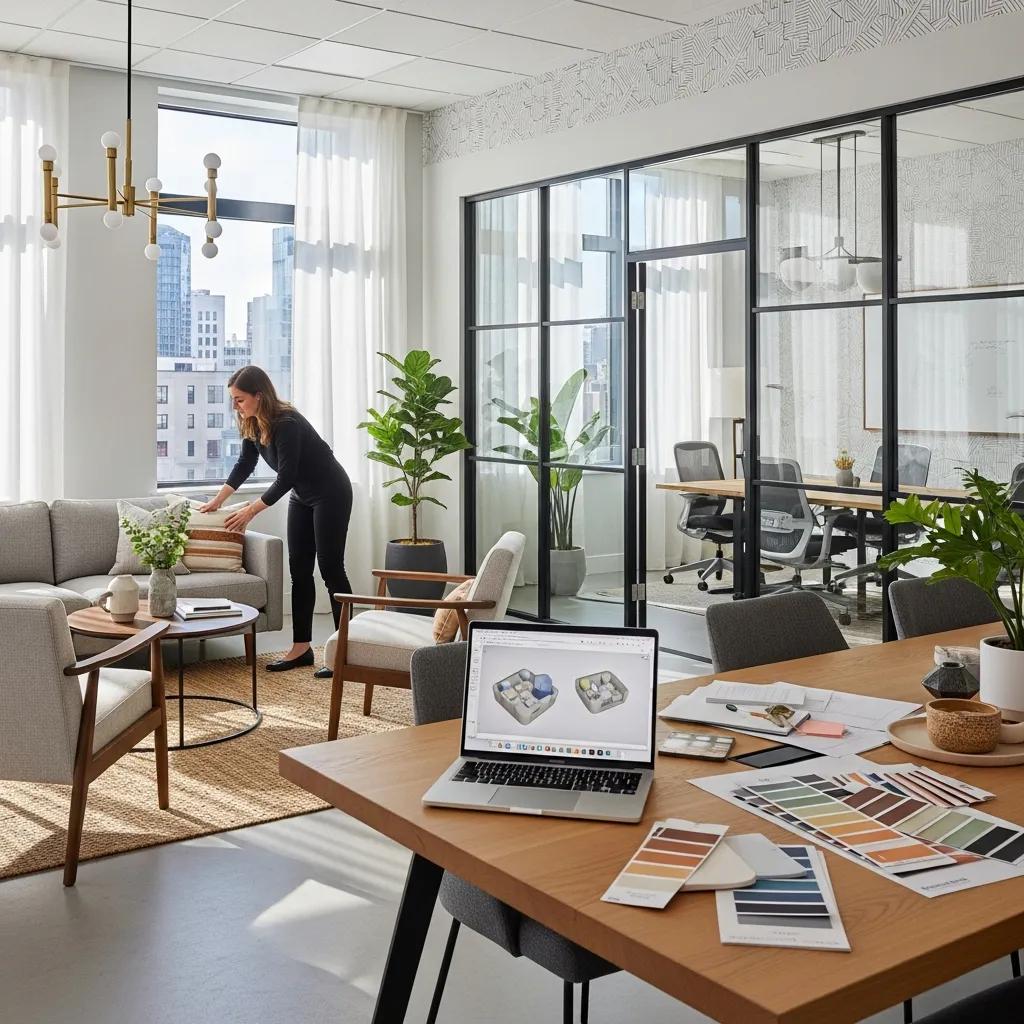
Interior designers play a crucial role in shaping the user experience within commercial spaces. Their responsibilities include space planning, material selection, and creating cohesive design concepts that align with the client’s vision. They also collaborate with other professionals to ensure that the design is implemented effectively.
How Do Interior Designers Translate Client Vision into Functional Spaces?
Interior designers utilize a discovery process to understand their clients’ needs and preferences. This involves detailed consultations and strategic direction to create designs that reflect the client’s vision while ensuring functionality. They provide detailed documentation and manage approvals to bring the design to life.
What Expertise Distinguishes Commercial Interior Design Services?
Commercial interior design services require a unique blend of expertise in space planning, workflow design, and compliance with safety regulations. Designers must be adept at creating environments that enhance productivity and meet the specific needs of the business while adhering to industry standards.
How to Choose Between a Commercial Building Designer and an Interior Designer for Your Project?
When deciding between a commercial building designer and an interior designer, consider the following factors:
- Project Requirements: Identify whether your project needs structural design or interior aesthetics.
- Experience and Style Alignment: Ensure the designer’s past work aligns with your vision.
- Budget Considerations: Discuss your budget upfront to find a designer who can work within your financial constraints.
What Factors Should Influence Your Choice of Commercial Designer?
Several factors should influence your choice of designer, including:
- Project Type: Different designers may specialize in various types of projects, such as retail, office, or hospitality.
- Design Needs: Consider whether you require a focus on structural design or interior aesthetics.
- Budget and Timeline: Ensure that the designer can meet your budget and timeline requirements.
How Does the Commercial Design Project Process Differ Between Designers?
The commercial design project process varies between commercial building designers and interior designers. Building designers typically begin with feasibility studies and site analysis, followed by conceptual design and documentation. Interior designers focus on space planning and material selection, often working concurrently with building designers to ensure a cohesive approach.
What Are the Benefits of Engaging Leithal Designs for Commercial Interior Design Services?
Engaging Leithal Designs for your commercial interior design needs offers several benefits, including:
- Design Expertise: Their team specializes in high-end commercial projects, ensuring sophisticated design solutions.
- Project Efficiency: They manage the design process from concept to completion, streamlining communication and execution.
- Client Satisfaction: Leithal Designs prioritizes collaboration with clients to ensure their vision is realized.
How Does Leithal Designs Ensure Quality and Sophistication in High-End Commercial Projects?
Leithal Designs maintains quality and sophistication in their projects through a combination of architectural expertise and effective project management. They integrate sustainable practices and innovative design solutions to create spaces that are both functional and aesthetically pleasing.
What Is the Process to Book a Discovery Call with Leithal Designs?
Booking a discovery call with Leithal Designs involves a straightforward process:
- Enquiry Process: Reach out to express your interest in their services.
- Preparation: Prepare any relevant project details to discuss during the call.
- Proposal and Engagement Steps: After the call, they will provide a proposal outlining the next steps for your project.
What Are the Latest Trends and Regulatory Considerations in Australian Commercial Design for 2024-2026?
As the commercial design landscape evolves, several trends and regulatory considerations are emerging for 2024-2026. Sustainability continues to be a significant focus, with an emphasis on eco-friendly materials and energy-efficient designs. Additionally, regulatory changes are impacting design practices, necessitating ongoing education and adaptation for designers.
How Do Australian Commercial Design Regulations Impact Building and Interior Designers?
Australian commercial design regulations significantly impact both building and interior designers. Compliance with these regulations is essential for ensuring safety and accessibility in commercial spaces. Designers must stay informed about changes in legislation to maintain compliance and deliver successful projects.