DDA Compliance in Commercial Fitouts: A Practical Queensland Guide
DDA Compliance in Commercial Fitouts Queensland: Expert Guide to Accessible Interior Design and Regulatory Adherence
DDA compliance is essential for ensuring that commercial fitouts in Queensland are accessible to all individuals, including those with disabilities. This guide provides a comprehensive overview of the Disability Discrimination Act (DDA) and its implications for commercial spaces, focusing on practical steps for achieving compliance. Readers will learn about the key disability access requirements, the role of the Queensland Building Code, and how to implement effective design strategies that prioritize accessibility. As businesses strive to create inclusive environments, understanding these regulations is crucial for both legal adherence and enhancing customer experience. This article will cover the key disability access requirements, the impact of the DDA, compliance checklists, and practical steps for ensuring DDA compliance in office and retail fitouts.
What Are the Key Disability Access Requirements for Commercial Fitouts in Queensland?
In Queensland, the key disability access requirements for commercial fitouts are designed to ensure that all individuals can access and use public spaces without barriers. These requirements include:
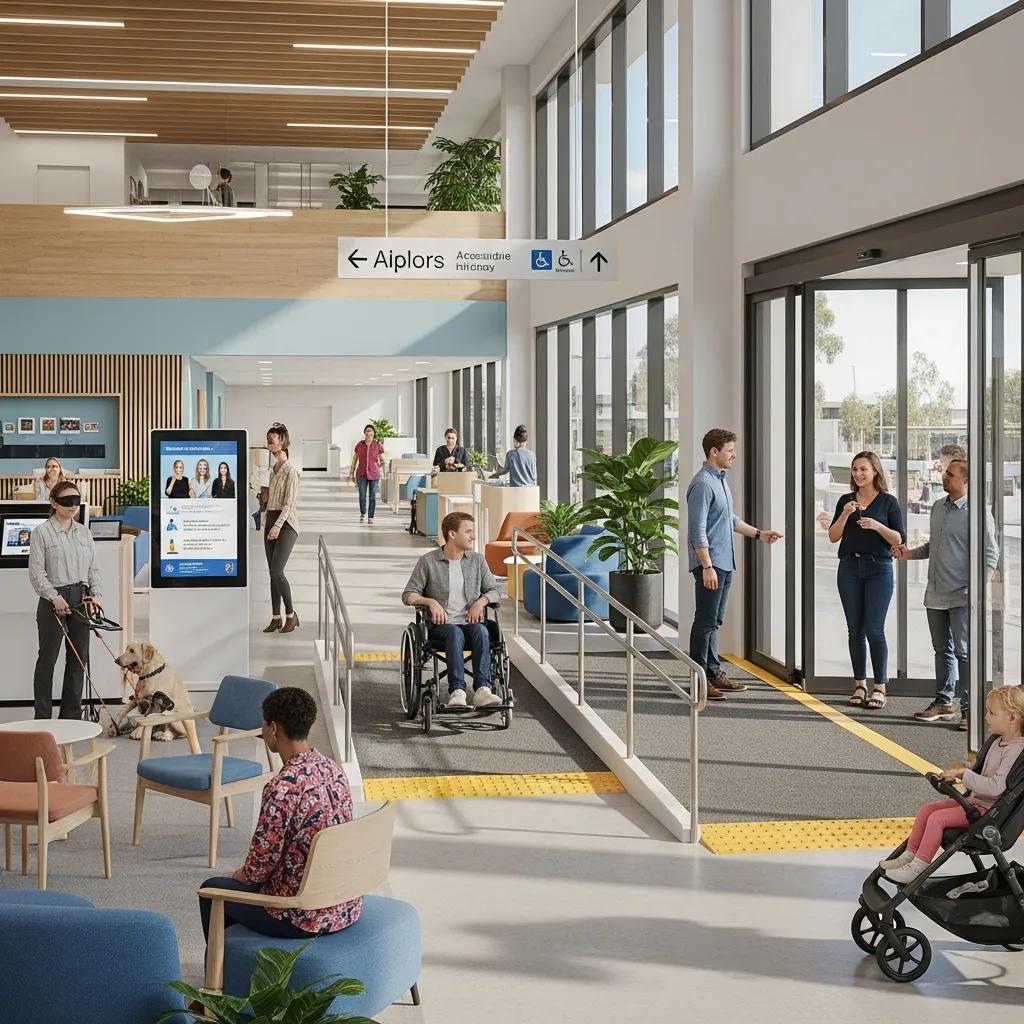
- Accessible Entrances: All entrances must be designed to accommodate individuals with mobility impairments, including ramps and automatic doors.
- Sanitary Facilities: Accessible restrooms must be available, equipped with features such as grab rails and sufficient space for maneuverability.
- Circulation Space: Adequate circulation space must be provided to allow for easy movement throughout the premises, including wide pathways and clear signage.
These requirements are essential for creating an inclusive environment that complies with the DDA and enhances the overall user experience.
Understanding the Disability Discrimination Act and Its Impact on Commercial Spaces
The Disability Discrimination Act (DDA) is a pivotal piece of legislation that prohibits discrimination against individuals with disabilities in various areas, including employment, education, and access to public spaces. The DDA mandates that commercial spaces must be designed and constructed to be accessible to all individuals, regardless of their physical abilities.
Key provisions of the DDA include:
- Non-discrimination: Businesses must ensure that their services and facilities are accessible to individuals with disabilities.
- Reasonable adjustments: Employers and service providers are required to make reasonable adjustments to accommodate the needs of individuals with disabilities.
- Compliance measures: Regular audits and assessments are necessary to ensure ongoing compliance with the DDA.
Understanding the DDA’s implications is crucial for businesses to avoid legal repercussions and foster an inclusive environment.
Historical context further emphasizes the DDA’s foundational role in mandating accessible commercial spaces and the ongoing need for barrier removal.
Complying with the 1995 Disability Discrimination Act (DDA)
and comply with the 1995 Disability Discrimination Act (DDA). The proposals to comply with the DDA include the removal of barriers, and so in order to comply with the DDA by the specified date.
University College London: Library DDA works PPG15 justification. Conservation strategy report., 1995
How Queensland Building Code and Australian Standards AS 1428 Define Accessibility
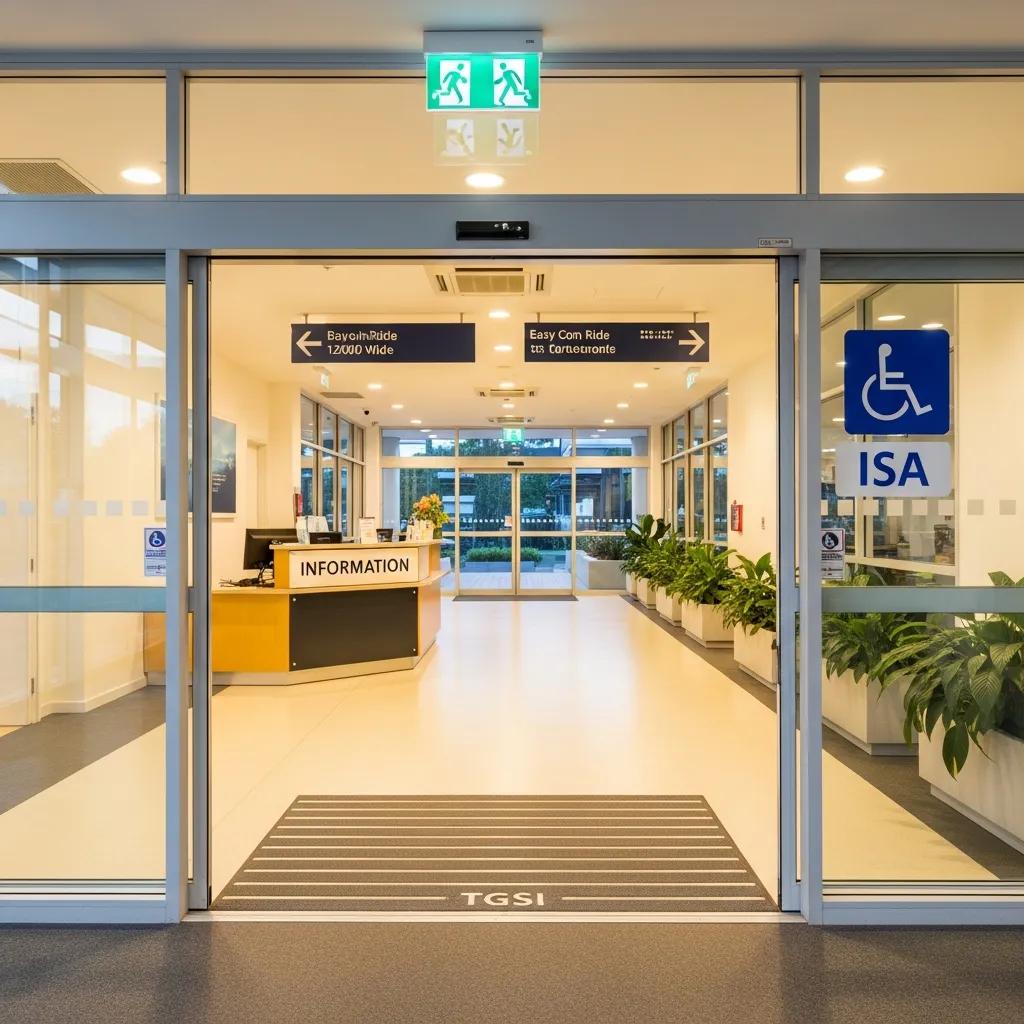
The Queensland Building Code (QBC) and Australian Standards AS 1428 provide specific guidelines for accessibility in commercial fitouts. These standards outline the minimum requirements for design and construction to ensure that buildings are accessible to individuals with disabilities.
Key aspects of the QBC and AS 1428 include:
- Minimum requirements for accessibility: These standards specify the dimensions and features required for accessible entrances, pathways, and facilities.
- Safety and health standards: Compliance with these standards ensures that buildings are not only accessible but also safe for all users.
- Implications for fitout design: Designers must integrate these standards into their plans to ensure compliance and enhance usability.
By adhering to the QBC and AS 1428, businesses can create spaces that are both compliant and welcoming to all individuals.
How to Implement a Step-by-Step Compliance Checklist for Commercial Fitouts in Australia?
Implementing a compliance checklist is a crucial step for businesses looking to ensure DDA compliance in their commercial fitouts. Here’s a step-by-step guide:
- Confirm Building Classification: Determine the classification of the building to understand the specific accessibility requirements that apply.
- Engage Licensed Professionals: Work with architects and designers who specialize in accessible design to ensure compliance with the DDA and relevant standards.
- Documentation Excellence: Maintain thorough documentation of all design plans, compliance measures, and audits to demonstrate adherence to regulations.
Following this checklist will help businesses navigate the complexities of DDA compliance effectively.
Essential Accessibility Audit Procedures for Queensland Commercial Interiors
Conducting accessibility audits is vital for ensuring that commercial interiors meet the necessary standards for DDA compliance. The audit process typically involves:
- Audit process overview: A comprehensive review of the premises to identify barriers to accessibility.
- Key considerations for audits: Factors such as user experience, safety, and compliance with the DDA and Australian Standards must be evaluated.
- Importance of compliance: Regular audits help businesses maintain compliance and improve accessibility for all users.
By implementing effective audit procedures, businesses can proactively address accessibility issues and enhance their compliance efforts.
Practical Steps to Ensure DDA Compliance in Office and Retail Fitouts
To ensure DDA compliance in office and retail fitouts, businesses can take several practical steps:
- Confirm Building Classification: Understanding the classification helps determine the specific accessibility requirements.
- Understand Technical Requirements: Familiarize yourself with the technical specifications outlined in the QBC and AS 1428.
- Engage Licensed Professionals: Collaborate with experts in accessible design to ensure compliance and enhance user experience.
These steps are essential for creating an inclusive environment that meets legal requirements and serves the needs of all customers.
Real-world examples demonstrate how specific fit-out projects successfully integrate DDA compliance, particularly in essential facilities like restrooms.
DDA-Compliant Fitouts for Commercial Office Interiors
installing new DDA-compliant toilets on Levels 1 and 4, adding to the existing facilities. The fit-out attained its 4 star Office Interiors rating, demonstrating adherence to accessibility standards.
55 St Andrews Place, Melbourne, Australia: Turning a Sparrow into a Peacock: What are the strategies for retrofitting for improved environmental performance?, 2015
Leithal Designs specializes in high-end commercial interior design with a strong emphasis on DDA compliance and accessible design solutions. Their expertise ensures that your fitout not only meets regulatory standards but also enhances the overall aesthetic and functionality of your space. For tailored DDA compliant fitout solutions, consider booking a discovery call with Leithal Designs to explore how they can assist in creating an accessible environment that reflects your brand’s values.
What Are the Principles of Accessible Commercial Interior Design in Queensland?
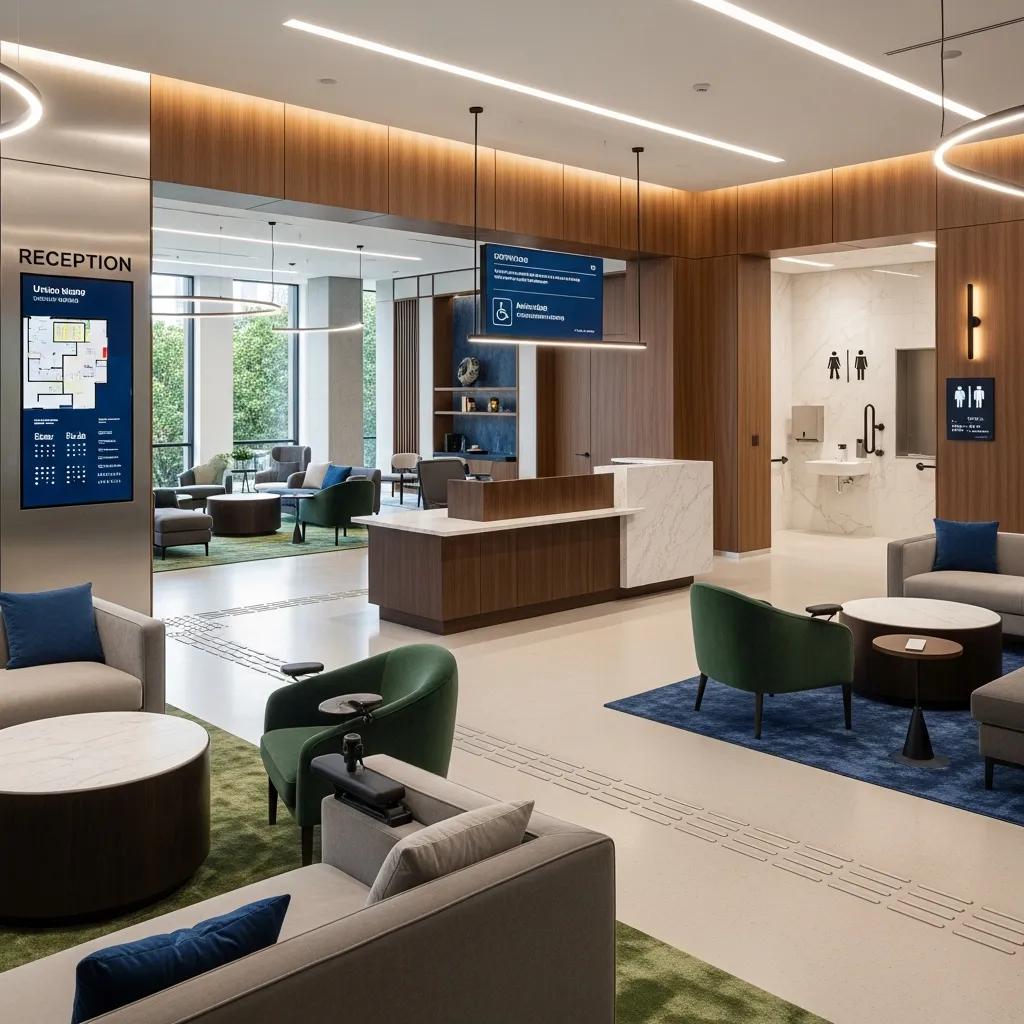
Accessible commercial interior design is guided by several key principles that prioritize inclusivity and usability. These principles include:
- User-centered design: Focusing on the needs of all users, including those with disabilities, ensures that spaces are functional and welcoming.
- Inclusivity in design: Incorporating features that accommodate diverse needs fosters an environment where everyone can thrive.
- Balancing aesthetics and functionality: Striking a balance between beautiful design and practical accessibility is essential for creating appealing commercial spaces.
By adhering to these principles, designers can create environments that are both aesthetically pleasing and accessible.
These principles align with broader guidelines for accessible commercial design in Queensland, which advocate for well-designed spaces catering to diverse users.
Accessible Commercial Design Guidelines for Queensland
urban open space should be highly accessible, well designed and provide options for a variety of users. This includes design (at different hierarchies and different streetscape scenarios eg res v commercial) to ensure accessibility.
Guidelines for Subtropical Design: A tool for a sustainable built environment in South East Queensland, R Kennedy, 2007
Integrating Inclusive Design Without Compromising Luxury Aesthetics
Integrating inclusive design into luxury fitouts requires careful consideration of both functionality and aesthetics. Successful strategies include:
- Design strategies for luxury spaces: Incorporating high-quality materials and finishes that also meet accessibility standards.
- Case studies of successful integrations: Highlighting projects that have successfully blended luxury with accessibility can provide valuable insights.
- Client expectations: Understanding and addressing client expectations for both luxury and accessibility is crucial for successful project outcomes.
By focusing on these strategies, designers can create luxurious spaces that are also accessible to all individuals.
Material Selection and Craftsmanship for Durable, Compliant Fitouts
The selection of materials and craftsmanship plays a significant role in ensuring that commercial fitouts are both durable and compliant with accessibility standards. Key considerations include:
- Durability and compliance: Choosing materials that withstand wear and tear while meeting accessibility requirements is essential for long-term success.
- Material standards: Adhering to industry standards for materials ensures that they are safe and suitable for use in accessible environments.
- Craftsmanship considerations: High-quality craftsmanship is vital for creating spaces that are not only compliant but also visually appealing.
By prioritizing material selection and craftsmanship, businesses can enhance the longevity and accessibility of their fitouts.
Which Case Studies Demonstrate Successful DDA Compliant Luxury Commercial Projects?
Examining successful case studies can provide valuable insights into effective DDA compliant luxury commercial projects. Notable examples include:
- Project A: A high-end retail space that seamlessly integrates accessibility features while maintaining a luxurious aesthetic.
- Project B: An office fitout that prioritizes user experience through thoughtful design and compliance with DDA standards.
- Project C: A hospitality venue that showcases how inclusive design can enhance customer satisfaction and brand reputation.
These case studies highlight the importance of thoughtful design in achieving both compliance and excellence in commercial fitouts.
Showcasing Leithal Designs’ Expertise in Premium Accessible Fitouts
Leithal Designs is a commercial interior design firm specializing in high-end fitouts that prioritize DDA compliance and accessible design solutions. Their unique approach combines aesthetic appeal with functional accessibility, ensuring that every project meets the highest standards of design and compliance.
With a portfolio that showcases successful projects across various sectors, Leithal Designs demonstrates their commitment to creating inclusive environments that reflect their clients’ values and enhance user experience.
Client Testimonials Highlighting Compliance and Design Excellence
Client testimonials play a crucial role in showcasing the effectiveness of Leithal Designs’ approach to DDA compliance and design excellence. Feedback from satisfied clients often highlights:
- Client satisfaction: Positive experiences with the design process and final outcomes.
- Design quality: Recognition of the high standards of craftsmanship and attention to detail.
- Compliance success: Assurance that projects meet all necessary accessibility requirements.
These testimonials reinforce the value of partnering with a design firm that prioritizes both compliance and quality.
How Can Businesses Book a Discovery Call for Custom DDA Compliant Fitout Solutions?
Businesses interested in exploring custom DDA compliant fitout solutions can easily book a discovery call with Leithal Designs. The process typically involves:
- Initial inquiry process: Interested parties can reach out to express their interest in DDA compliant design services.
- Preparation for the call: Clients are encouraged to prepare any specific questions or requirements they may have.
- Follow-up steps: After the call, clients will receive a tailored proposal outlining potential design solutions and next steps.
This consultative approach ensures that businesses receive personalized service tailored to their unique needs.
Consultative Approach to Tailored Accessibility Design Services
Leithal Designs employs a consultative approach to accessibility design services, ensuring that each project is tailored to the specific needs of the client. This approach includes:
- Discovery phase: Understanding the client’s vision and requirements for their space.
- Needs and options review: Evaluating various design options to find the best fit for accessibility and aesthetics.
- Documentation process: Maintaining clear records of all design decisions and compliance measures to ensure transparency and accountability.
By focusing on collaboration and communication, Leithal Designs ensures that clients receive the best possible outcomes for their DDA compliant fitouts.
What to Expect During Your No-Obligation Initial Consultation
During the initial consultation with Leithal Designs, clients can expect a thorough discussion of their project scope and requirements. Key aspects of the consultation include:
- Project scope discussion: An overview of the client’s vision and specific needs for their fitout.
- Budget alignment: Ensuring that the proposed design solutions align with the client’s budgetary constraints.
- Design pathway identification: Outlining the steps involved in the design process and what clients can expect moving forward.
This no-obligation consultation provides a valuable opportunity for clients to explore their options and gain insights into the design process.